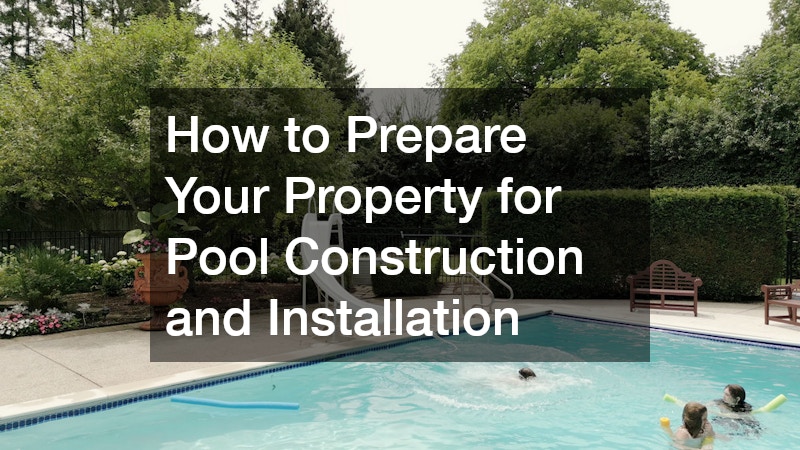
Installing a pool is one of the most complex upgrades a homeowner can make, not because of the pool itself, but because of everything that surrounds it. Beyond the visible design choices—such as shape, size, and finishes—success depends heavily on preparation. What happens before excavation begins often determines how smoothly the entire project unfolds, how closely it stays on schedule, and whether unexpected costs emerge along the way. Skipping or rushing early planning can lead to delays, design compromises, and avoidable disruptions to your property.
Proper preparation helps homeowners anticipate challenges instead of reacting to them. Site conditions, access limitations, soil behavior, and existing structures all influence how a pool can be built and how it will perform long-term. Addressing these factors early reduces the risk of mid-project changes that increase costs or extend timelines. It also protects surrounding features such as your home’s foundation, landscaping, fencing, and neighboring properties. In many cases, the difference between a smooth installation and a stressful one comes down to how thoroughly the groundwork was handled.
This guide walks homeowners through each stage of preparation in detail, breaking down what to evaluate, when to involve professionals, and how to coordinate moving parts before construction begins. You’ll learn how to assess your property realistically, understand why certain preparatory steps matter, and recognize common issues that can derail projects when overlooked. The goal is not just to prepare for construction, but to prepare intelligently.
Whether you’re installing a new pool for the first time or replacing an existing one, these steps will help you approach the process with clarity and confidence. With the right preparation, you can make informed decisions, communicate more effectively with contractors, and set realistic expectations—laying the foundation for a project that delivers long-term value and enjoyment.
Evaluate Your Yard’s Layout, Access, and Physical Constraints

Before any construction plans are finalized, homeowners should take a detailed look at their yard’s physical characteristics. This initial evaluation helps determine whether the planned pool size and location are realistic and whether site modifications will be necessary. Yard dimensions, slope, elevation changes, and existing drainage patterns all influence how and where a pool can be safely installed. For example, a flat yard with consistent grading typically allows for simpler excavation, while sloped yards may require retaining solutions or additional soil reinforcement.
Access is just as important as available space. Excavation equipment requires wide, stable entry points, and narrow side yards or soft ground can complicate logistics. In many cases, landscaping services are needed to reinforce access paths, temporarily relocate planting beds, or level uneven ground so heavy machinery can enter without damaging surrounding areas. Compared to minor garden adjustments, these preparations are more structural in nature and should be planned early.
Trees are another common constraint. Large trees near the proposed pool location may interfere with excavation or underground plumbing, and aggressive root systems can compromise long-term stability. A professional tree service can assess whether selective trimming is sufficient or whether removal is the safer option. For instance, shallow-rooted ornamental trees may be manageable, while mature hardwoods often require more extensive intervention. Documenting the yard with measurements, photos, and notes allows contractors to compare potential layouts and choose the least disruptive option.
Test Soil Conditions Before Finalizing Pool Placement
Soil quality plays a major role in the longevity and performance of a pool. Many homeowners assume soil conditions are uniform across their yard, but even small variations can affect stability. Conducting a soil absorption test allows professionals to evaluate how quickly water drains through the soil and how well it can support structural weight over time.
Poor drainage can create water pressure beneath the pool shell, increasing the risk of cracking or shifting. This is particularly common in clay-heavy soil, which expands when wet and contracts when dry. In contrast, sandy soil drains more efficiently but may require additional compaction to prevent settling. Test results help contractors determine whether solutions such as gravel bases, drainage lines, or reinforced foundations are needed.
For homeowners, understanding these differences is critical. A pool built on properly tested and prepared soil will typically experience fewer maintenance issues than one installed without soil analysis. Addressing these conditions before construction begins is far less disruptive than making corrections after the pool is in place.
Identify and Remove Subsurface and Structural Obstacles Early
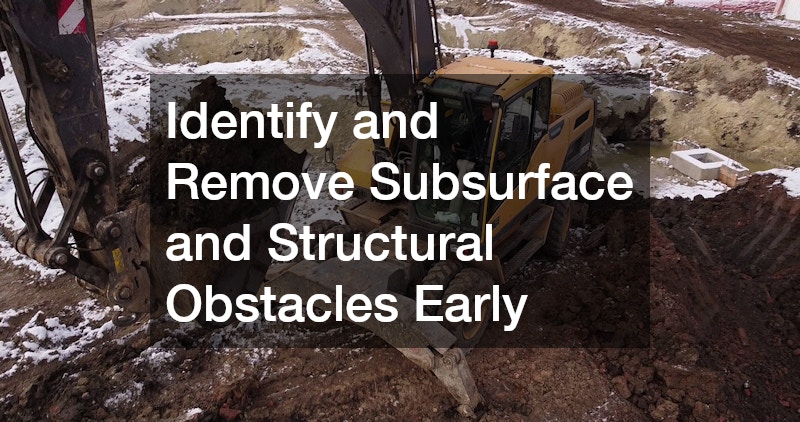
Hidden obstacles beneath the surface are a frequent cause of construction delays and budget overruns. Older homes, in particular, may have remnants of previous patios, walkways, or foundations buried just below the soil line. These issues often only become apparent once excavation starts, which can halt progress unexpectedly.
Engaging a demolition company before construction allows these materials to be removed in a controlled and planned manner. This approach is more efficient than discovering obstacles mid-excavation, when equipment and crews are already on-site.
In cases where only partial removal is necessary, a concrete cutting contractor can precisely remove sections without disturbing surrounding soil or structures. For example, removing an entire slab may be unnecessary if only a corner interferes with the pool footprint. Targeted cutting reduces labor time and minimizes disruption. Reviewing property records and consulting professionals early allows homeowners to compare full removal versus selective cutting and choose the most cost-effective option.
Address Insect and Termite Risks Before the Ground Is Disturbed
Excavation significantly alters the soil environment, which can displace insects and rodents. Without preventative measures, these pests may migrate toward nearby structures, increasing the risk of damage during and after construction. Coordinating with termite removers before excavation begins allows treatments to be applied directly to exposed soil, where they are most effective. This proactive approach is far more reliable than treating after pests become visible.
Similarly, pest control companies can identify conditions that attract ants, rodents, or other insects, such as standing water or disturbed nesting areas. For example, construction near a wooden deck or fence increases the importance of early treatment. Preventative measures taken at this stage protect not only the pool area but also adjacent structures, reducing long-term risk and maintenance concerns.
Plan for Utilities, Drainage, and Water Supply Logistics
Pool construction involves multiple utility considerations that must be addressed before digging begins. Homeowners should understand how water, electricity, and drainage will be managed throughout the project. In some cases, especially during periods of limited municipal supply, bulk water delivery is used to support initial filling or testing.
Comparatively, filling a pool through standard household plumbing may take several days, while delivered water can significantly shorten timelines. However, delivery requires adequate access and coordination, which should be planned in advance. Drainage is equally important. Poor runoff planning can lead to erosion or water pooling near the pool deck.
Marking underground utilities is essential to avoid service disruptions or safety hazards. Homeowners who address these logistics early experience fewer delays and smoother coordination once construction begins.
Prepare the Property for Equipment, Crews, and Daily Activity
Once construction starts, daily activity increases dramatically. Heavy equipment, materials, and crews require space to operate efficiently. A pool service team typically needs designated staging areas for machinery, plumbing components, and finishing materials.
Preparing the property may involve removing outdoor furniture, protecting paved surfaces, and installing temporary ground coverings. Compared to unprepared sites, homes that take these steps experience less incidental damage and faster cleanup once construction is complete.
Homeowners should also consider the impact on daily routines. Noise, dust, and restricted access are normal during construction. Setting expectations with family members and neighbors helps reduce stress and maintain good relationships throughout the project.
Select and Coordinate the Right Professionals for the Project
Choosing the right professionals is one of the most influential decisions in the pool installation process. When comparing pool companies, homeowners should evaluate experience with similar projects, responsiveness during the planning phase, and transparency around pricing and scope. A well-organized contractor is willing to explain technical details in plain language, outline potential challenges upfront, and provide realistic timelines rather than overly optimistic promises.
Coordination becomes increasingly important as more specialists become involved. For example, delays often occur when responsibilities overlap or when tasks are completed out of sequence. Establishing a single point of contact allows homeowners to receive consistent updates and resolve issues quickly without relaying information between multiple parties. Keeping written records of approvals, schedule changes, and design decisions also creates accountability, helps prevent scope disputes, and provides clarity if questions arise later in the project.
Complete Final Site Preparation and Landscaping Adjustments
Final site preparation bridges the gap between planning and construction. This phase ensures the property is truly ready for excavation and easier to restore afterward. Minor grading, erosion control measures, and the temporary removal or relocation of landscaping elements help create a stable and accessible work environment for crews and equipment. Taking these steps also reduces the risk of soil shifting, water runoff, or damage to nearby structures during construction.
Professional landscaping services can assist homeowners in planning post-construction restoration with greater accuracy. For example, adjusting irrigation zones before hardscaping is installed prevents future conflicts that could require cutting or removal later. Planning planting areas, drainage transitions, and lawn restoration in advance ensures a cohesive final appearance. Homes that plan landscaping early often experience faster recovery, lower restoration costs, and fewer compromises once construction ends.
Build a Pre-Construction Checklist and Timeline
A detailed checklist helps homeowners track progress and confirm readiness before construction begins. Permits, inspections, utility markings, and contractor schedules should all be verified well in advance of excavation to avoid last-minute delays. Compared to informal planning, documented timelines create structure, reduce confusion, and ensure everyone involved understands their responsibilities and deadlines.
Tracking milestones such as material deliveries, equipment arrival, and inspection dates allows homeowners to anticipate next steps and identify potential bottlenecks early. A checklist can also include homeowner responsibilities, such as clearing access paths or confirming utility shutoffs, which are easy to overlook. A well-structured checklist provides peace of mind, improves communication, and keeps the project moving forward efficiently and predictably.
Preparing your property for pool construction requires thoughtful planning, clear communication, and consistent attention to detail well before the first piece of equipment arrives. The work done during the preparation phase shapes every stage that follows, influencing not only how efficiently the project moves forward but also how durable, functional, and visually cohesive the final result will be. Homeowners who take the time to prepare properly place themselves in a far stronger position to avoid surprises, manage costs, and make confident decisions throughout the build.
Early preparation allows you to move from a reactive mindset to a proactive one. Instead of responding to unexpected issues as they arise, you can anticipate challenges related to access, drainage, existing structures, or scheduling and address them methodically. This approach reduces last-minute changes, prevents rushed decisions, and minimizes stress during construction. It also creates clearer expectations between homeowners and contractors, which is essential for maintaining trust and accountability during a complex project.
A well-prepared property supports smoother construction by eliminating unnecessary interruptions. Crews can work more efficiently when the site is accessible, stable, and clearly organized. Materials arrive on schedule, inspections proceed without delays, and each phase of construction flows logically into the next. This efficiency often translates into shorter timelines and fewer budget adjustments, both of which are major concerns for homeowners undertaking a significant upgrade.
Preparation also plays a key role in how well the finished pool integrates into the overall property. When site planning, layout decisions, and restoration strategies are considered early, the final result feels intentional rather than added on. The surrounding outdoor space functions better, looks more cohesive, and is easier to maintain long-term. This level of integration enhances daily enjoyment while also supporting resale value.
Ultimately, taking the time to prepare thoroughly is an investment in peace of mind. It allows homeowners to stay informed, involved, and in control throughout the process. By laying the groundwork carefully, you create the conditions for a pool that not only meets expectations on completion day but continues to deliver value, comfort, and enjoyment for years to come.