Transform Your Yard with a Clear, Step-by-Step Plan
Transforming your outdoor space is one of the most impactful ways to improve both the functionality and value of your home. Whether you’re starting with a neglected yard or simply looking to upgrade your current layout, a thoughtful approach can make all the difference. Too often, homeowners jump straight into buying plants or installing features without considering the bigger picture. This leads to wasted time, money, and effort.
A successful outdoor transformation begins with a plan that balances design, practicality, and long-term maintenance. It’s not just about making your yard look good—it’s about creating a space that works for your lifestyle. From relaxing evenings outdoors to hosting gatherings or improving curb appeal, every decision should support how you intend to use the space.
This guide breaks the process down into manageable steps, helping you move from idea to execution with confidence. By focusing on preparation, smart investments, and ongoing care, you can create an outdoor environment that is both beautiful and sustainable for years to come.
Assess Your Current Outdoor Space and Set Clear Goals
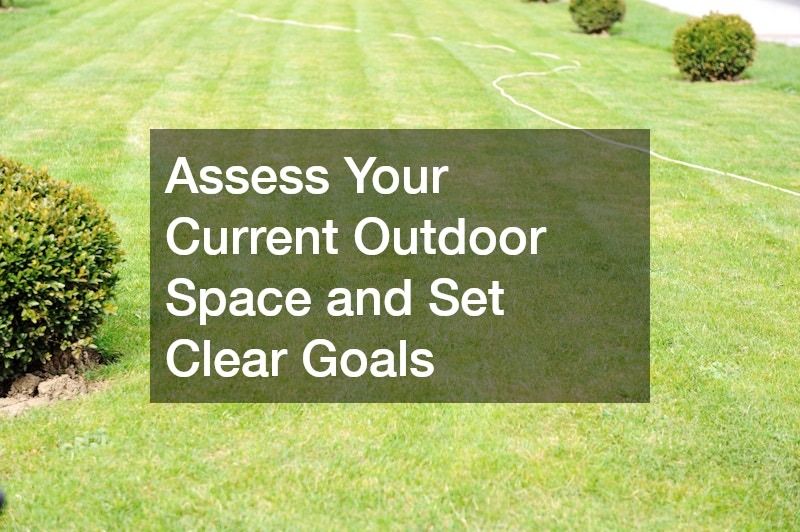
The first step in transforming your outdoor space is understanding what you’re working with. Walk through your yard at different times of the day to observe sunlight patterns, drainage issues, and how the space is currently used. Take note of uneven ground, bare patches, overgrown vegetation, or areas that feel underutilized. These observations will help you identify both challenges and opportunities.
Once you’ve assessed the space, start defining your goals. Do you want a place to entertain guests, a quiet retreat, or a functional area for kids and pets? Your goals should guide every decision moving forward. If your project feels overwhelming, consulting backyard landscaping contractors early in the process can provide valuable insight. They can help you evaluate what’s realistic for your property and suggest solutions you may not have considered.
It’s also important to think long-term. Consider how your needs might evolve over time and whether your design can adapt. For example, leaving room for future additions or upgrades can save time and money later. By clearly defining your vision and understanding your space, you set a strong foundation for the rest of your project.
Build a Practical Budget and Project Timeline
Budgeting is a critical step that determines the scope and success of your outdoor transformation. Start by outlining all potential costs, including materials, labor, equipment, and ongoing maintenance. It’s easy to underestimate expenses, so being thorough from the beginning helps prevent financial surprises later on.
In addition to upfront costs, think about long-term upkeep. For example, ongoing lawn care services may be necessary to maintain the health and appearance of your yard. Factoring these recurring expenses into your budget ensures that your outdoor space remains in good condition after the initial transformation.
Creating a realistic timeline is just as important as setting a budget. Break your project into phases, especially if you’re working with a limited budget. This allows you to complete essential improvements first and add enhancements over time. Be sure to account for weather conditions, material availability, and contractor schedules, as these can all impact your timeline.
A well-planned budget and timeline provide structure and clarity, helping you stay on track and make informed decisions throughout the project.
Improve Ground Conditions Before Any Major Work
Before installing any features or planting new greenery, it’s essential to address the condition of your soil and ground surface. Poor ground conditions can lead to drainage problems, uneven surfaces, and structural issues down the line. Taking the time to prepare your yard properly ensures that everything you build or plant has a stable foundation.
One common solution for uneven or low areas is adding fill dirt. This helps level the ground and create a more usable surface. Proper grading is especially important for directing water away from your home and preventing pooling or erosion. Without this step, even the most beautiful landscaping can quickly deteriorate.
You should also test your soil to determine its composition and nutrient levels. This information can guide your decisions when adding topsoil or amendments. If your soil lacks nutrients or has poor drainage, addressing these issues early will improve the success of your plants and lawn.
Ground preparation may not be the most exciting part of your project, but it’s one of the most important. A well-prepared foundation supports everything that comes next and helps ensure long-lasting results.
Plan Water Access and Irrigation Systems Early
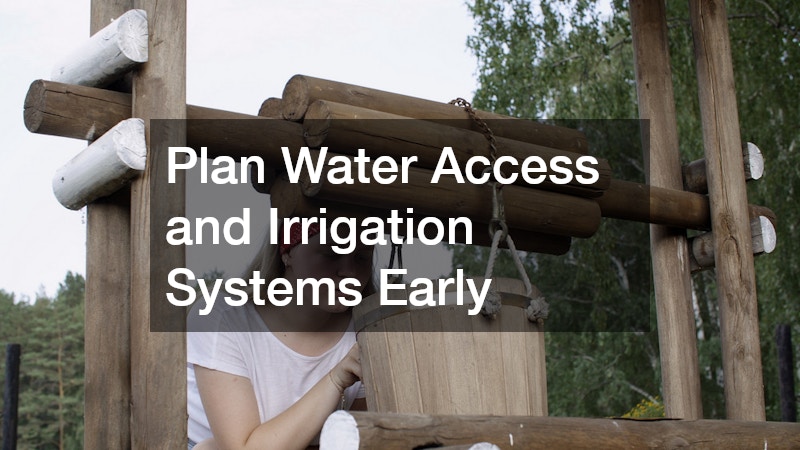
Water is a critical component of any outdoor space, especially if you plan to maintain a healthy lawn, garden, or landscape features. Before moving forward with installation or planting, it’s important to evaluate your current water access and determine whether upgrades are needed.
For larger properties or areas with limited municipal access, incorporating a water well can provide a reliable and cost-effective water source. This can be particularly beneficial for irrigation, as it reduces dependency on city water and can lower long-term costs. However, before making any changes, it’s essential to schedule a well inspection to ensure the system is functioning properly and meets safety standards.
Planning your irrigation system early allows you to design your layout around efficient water distribution. This includes placing sprinkler systems, drip irrigation lines, or hoses in a way that reaches all areas without waste. It also helps you avoid having to dig up newly installed features later to make adjustments.
By addressing water access and irrigation at the beginning of your project, you create a system that supports the health and longevity of your outdoor space.
Choose the Right Materials and Source Quality Products
Selecting the right materials is key to creating an outdoor space that is both durable and visually appealing. From pavers and mulch to decorative stone and edging, every material you choose should be suited to your climate and intended use.
Sourcing high-quality landscaping supplies ensures that your investment lasts. While it may be tempting to opt for cheaper materials, lower-quality products often wear out faster and require replacement sooner. This can end up costing more in the long run.
When choosing materials, consider factors such as weather resistance, maintenance requirements, and compatibility with your overall design. For example, certain types of stone or wood may perform better in specific environments. It’s also helpful to see materials in person before purchasing, as colors and textures can vary.
Working with reputable suppliers or professionals can help you make informed decisions and avoid common pitfalls. By prioritizing quality and suitability, you ensure that your outdoor space remains functional and attractive for years to come.
Install Structural Features That Define the Space
Structural elements play a major role in shaping the layout and usability of your outdoor space. These features help define boundaries, create privacy, and establish the overall flow of your yard.
Installing a backyard fence is one of the most effective ways to add structure and security. It can provide privacy from neighbors, keep pets and children safe, and enhance the overall aesthetic of your property. When choosing a fence, consider factors such as height, material, and style to ensure it complements your design.
In addition to fencing, think about other structural elements such as pathways, retaining walls, or seating areas. These features not only improve functionality but also add visual interest. Proper placement is key—structures should guide movement through the space and connect different areas seamlessly.
Taking the time to plan and install these elements thoughtfully ensures that your outdoor space feels cohesive and well-organized. Structural features serve as the backbone of your design, supporting both form and function.
Refresh and Maintain Lawn Health for Lasting Results

A healthy lawn is often the centerpiece of a well-designed outdoor space. Achieving and maintaining that lush, green look requires consistent care and attention. If your lawn is currently patchy or struggling, it’s important to address underlying issues before expecting long-term improvement.
Professional lawn care services can help assess the condition of your grass and recommend treatments tailored to your specific needs. This may include aeration, overseeding, or pest control. Regular maintenance ensures that your lawn remains healthy and resilient throughout the seasons.
In addition to general care, a lawn fertilization service can provide essential nutrients that promote growth and improve overall appearance. Fertilization schedules should be adjusted based on your region and grass type to achieve the best results.
Consistency is key when it comes to lawn care. Establishing a routine and addressing issues promptly will help you maintain a vibrant and inviting outdoor space that enhances your entire property.
Manage Trees for Safety, Shade, and Visual Appeal
Trees are an important part of any outdoor environment, providing shade, beauty, and environmental benefits. However, they also require regular maintenance to ensure they remain healthy and safe.
Hiring a professional tree service can help you identify potential issues such as diseased branches, structural weaknesses, or overgrowth. Addressing these problems early prevents damage to your property and reduces safety risks.
Regular tree pruning service is essential for maintaining the shape and health of your trees. Proper pruning improves airflow, allows more sunlight to reach your lawn, and encourages strong growth. It also enhances the overall appearance of your yard by keeping trees well-shaped and balanced.
While some minor maintenance can be done on your own, larger tasks should always be handled by professionals. Tree work can be dangerous without the proper equipment and expertise. By maintaining your trees regularly, you ensure they remain a valuable and attractive part of your outdoor space.
Work with Professionals to Execute Your Vision Efficiently
While many aspects of an outdoor transformation can be done independently, larger or more complex projects often benefit from professional expertise. Experienced backyard landscaping contractors can bring your vision to life more efficiently and with higher-quality results.
Professionals can coordinate multiple aspects of your project, from design and material selection to installation and finishing touches. This level of organization helps prevent delays and ensures that each phase of the project is completed correctly.
They also have access to specialized tools and knowledge that can make a significant difference in the outcome. Whether it’s grading land, installing irrigation systems, or building structural features, their expertise can save you time and reduce the risk of costly mistakes.
Working with professionals doesn’t mean losing control of your project—it means having the support needed to achieve your goals more effectively. By collaborating with experienced contractors, you can ensure that your outdoor space is completed to a high standard.
Add Finishing Touches That Elevate Functionality and Style
Once the major elements of your outdoor space are in place, it’s time to focus on the details that bring everything together. Finishing touches add personality and enhance the usability of your yard.
Using high-quality landscaping supplies, you can incorporate elements such as decorative stones, lighting, and garden accents. These additions help create a cohesive look and make your space more inviting. Lighting, in particular, can extend the usability of your yard into the evening while also improving safety.
Plants and greenery also play a key role in the final design. Choose species that thrive in your climate and complement your overall layout. Grouping plants strategically can create visual interest and define different areas within your yard.
These finishing details may seem small, but they have a big impact on the overall feel of your outdoor space. Taking the time to carefully select and place these elements ensures a polished and complete result.
Maintain Your Outdoor Space for Long-Term Success
After completing your outdoor transformation, ongoing maintenance is essential to preserve your investment. Without proper care, even the most well-designed spaces can quickly lose their appeal.
Regular lawn care services help keep your grass healthy and prevent issues such as weeds or disease. Establishing a maintenance schedule ensures that your yard remains in top condition throughout the year.
Seasonal tasks, such as cleaning debris, adjusting irrigation, and checking for damage, also play an important role. Staying proactive allows you to address small issues before they become major problems.
Maintenance doesn’t have to be overwhelming. By breaking tasks into manageable steps and staying consistent, you can keep your outdoor space looking its best. A well-maintained yard not only enhances your home’s appearance but also provides a space you can enjoy for years to come.
Bring Your Outdoor Vision to Life with Confidence
Transforming your outdoor space is a journey that requires careful planning, thoughtful decisions, and ongoing care. By approaching the process step by step, you can create a space that meets your needs and reflects your personal style.
Each stage of the transformation plays an important role, from preparing the ground and selecting materials to maintaining the finished space. Taking the time to do things right ensures lasting results and a more enjoyable experience overall.
With the right strategy and commitment, your outdoor space can become a functional, beautiful extension of your home—one that you’ll appreciate every day.