
Every home is really a collection of systems working together quietly in the background, and each one has its own lifespan, warning signs, and replacement cost. Waiting until something fails often means paying more, dealing with emergency repairs, and living through avoidable damage. The smarter approach is to map out when each major system will need attention and budget for it ahead of time. This article walks through the key systems in your home and how to build a realistic timeline that protects your investment for decades to come.
Mapping Out Your Roof Replacement Schedule
Your roof is one of the largest single investments in your home, and its lifespan depends heavily on the materials used and your local climate. Asphalt shingles typically last between 15 and 25 years, architectural shingles can push closer to 30, metal roofing often lasts 40 to 70 years, and clay or concrete tile can exceed 50 years with proper maintenance. Homes in areas with intense sun, heavy snow loads, or frequent hailstorms tend to see faster wear regardless of material, so factor regional weather patterns into your estimates rather than relying on manufacturer averages alone. Tracking installation dates and inspection reports gives you a realistic picture of how many years you have left before a full replacement becomes necessary. Schedule a professional inspection every 3 to 5 years, and more frequently once your roof passes the 15-year mark, so small issues like cracked flashing or granule loss get caught early. Keep records of past repairs too, since a roof patched multiple times in the same area may be signaling a deeper structural problem rather than isolated wear. Waiting for visible leaks usually means you have already lost time and possibly suffered interior damage. By the time water stains appear on ceilings, moisture may have already compromised insulation, wood sheathing, or framing. Building replacement into your timeline 2 to 3 years before the expected end of your roof’s lifespan gives you room to budget properly and choose a contractor without the pressure of an active emergency.
Roofs don’t fail on a convenient schedule, which is why mapping out a replacement timeline before problems start pays off. Most asphalt shingle roofs last 20 to 25 years, but factors like steep pitches, heavy tree cover, and intense sun exposure can shorten that lifespan considerably. Knowing your roof’s age and material gives you a realistic window to start planning rather than reacting. When it comes time to consider new materials, many homeowners are surprised by how much longer certain options last compared to traditional asphalt. Metal roofing contractors often point out that steel and aluminum systems can last 40 to 70 years with proper installation, making them a strong long-term option even though the upfront cost is higher. Some also offer better energy efficiency, reflecting heat in summer and reducing cooling costs, which can help offset the price difference over time. Other materials fall somewhere in between and are worth comparing based on your climate and budget. Architectural shingles typically last 25 to 30 years, while clay or concrete tile can stretch past 50 years in the right conditions. Slate roofing can exceed a century but requires specialized installation and structural support most homes don’t already have. Getting quotes from companies specializing in Residential Roofing early, before you are in crisis mode, lets you compare materials and financing options without pressure. Ask each contractor for a written timeline estimate based on your roof’s current condition, not just a generic age range. That documentation becomes a useful planning tool when you’re coordinating this project against other big-ticket home systems on your list.
- Schedule a professional roof inspection every 3 to 5 years, or immediately after major storms, hail events, or high winds
- Keep records of shingle or panel age, installer details, and warranty terms to estimate remaining lifespan accurately
- Compare material lifespans before your current roof reaches the 20-year mark — asphalt shingles last 15-20 years, architectural shingles 25-30, metal 40-70, and tile or slate 50+
- Watch for early warning signs between inspections, like curling shingles, granule loss in gutters, or daylight visible through the attic
- Budget for replacement gradually rather than treating it as a sudden expense, setting aside roughly 5-10% of estimated replacement cost annually
- Get multiple contractor quotes 1-2 years before anticipated replacement to account for material price fluctuations and seasonal labor availability
Planning Ahead for Your Home Electrical System
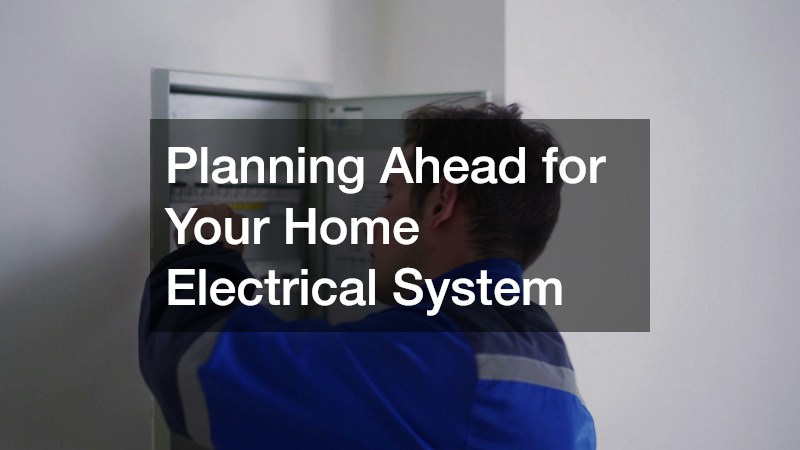
Electrical systems age differently than other parts of the house because problems often hide behind walls until they cause a real hazard. Homes built more than 30 years ago frequently have wiring that was never designed for today’s electronics, appliances, and charging needs. A licensed electrician can evaluate your panel capacity, outlet grounding, and wiring condition to flag issues long before they become fire risks. Building this evaluation into your maintenance timeline, rather than waiting for flickering lights or tripped breakers, keeps your family safer and your insurance coverage in good standing.
Panel upgrades are one of the most common electrical projects tied to a home’s growth, especially when families add air conditioning units, electric vehicle chargers, or home offices. Planning this upgrade on a five to ten year horizon, based on your home’s age and your changing energy needs, prevents the scramble that happens when a panel simply cannot handle added load anymore.
- Have your electrical panel inspected every 10 years or with any major renovation
- Watch for warm outlets, frequent breaker trips, or flickering lights as early warning signs
- Ask about surge protection whole-house systems during your next inspection
- Plan wiring upgrades before adding major appliances or EV charging stations
Timing HVAC Maintenance and Replacement
Heating and cooling systems typically last 12 to 20 years, but that lifespan shrinks dramatically without consistent care. Annual HVAC service appointments catch small issues, like worn belts or low refrigerant, before they turn into full system failures during the hottest or coldest week of the year. Filters, ductwork, and thermostats all play a role in how efficiently your system runs, and neglecting any one of them shortens the life of the whole unit.
Emergency breakdowns are almost always more expensive and more stressful than planned maintenance. Scheduling AC repair at the first sign of reduced airflow or strange noises, rather than pushing through another summer, often saves the compressor from complete failure. Building a ten to fifteen year replacement window into your household budget means you are financially prepared rather than caught off guard when a technician tells you the unit is beyond repair.
- Schedule professional tune-ups twice a year, ideally before summer and winter
- Replace air filters every 60 to 90 days depending on household size and pets
- Track your system’s age and compare efficiency ratings when nearing replacement
- Address unusual noises, odors, or spikes in energy bills right away
Protecting Your Home’s Water Heater

A standard tank water heater lasts about 8 to 12 years, while tankless units can often run for 20 years or more with proper upkeep. Sediment buildup is one of the biggest culprits behind early failure, since it forces the unit to work harder and reduces its efficiency over time. Scheduling annual flushes and inspections through professional water heater services extends the life of the tank and helps you catch small leaks before they become flooded utility rooms.
Age is not the only factor worth tracking. Rising energy bills, lukewarm water, or a rumbling noise from the tank are all signs that efficiency is dropping even if the unit hasn’t fully failed yet. Building water heater replacement into your ten-year planning window, rather than waiting for a total breakdown, gives you time to research energy-efficient models and avoid a rushed decision.
- Flush your water heater tank annually to remove sediment buildup
- Check the pressure relief valve once a year for proper function
- Watch for rusty water or unusual noises as signs of an aging unit
- Compare tank and tankless options well before your current unit fails
Assessing Your Septic and Drainage Systems
Septic systems are easy to forget about because most of the work happens underground, but neglecting them leads to some of the messiest and most expensive repairs a homeowner can face. An atu drain field, which relies on aerobic treatment to break down waste more thoroughly than a conventional system, still needs regular inspection to make sure the components are functioning as designed. Skipping these checks can allow solids to clog the field, leading to backups inside the home or standing water in the yard.
Most septic professionals recommend a full system inspection every one to three years, with pumping needed roughly every three to five years depending on household size. Keeping a written log of past service dates helps you spot patterns, like a field that seems to need attention more frequently than expected, which could point to a design issue or overuse.
- Have your septic tank pumped every 3 to 5 years on average
- Avoid planting trees or driving vehicles near the drain field
- Keep a record of all inspections and repairs for future reference
- Watch for slow drains or sulfur odors as early warning signs
Grading Your Yard to Prevent Water Damage

Water problems inside a home often start with a grading issue outside of it. When soil slopes toward the foundation instead of away from it, rainwater pools near the base of the house and slowly works its way into basements, crawl spaces, and foundation cracks. Over the years this can lead to costly structural repairs that far exceed the cost of fixing the grading in the first place.
Many homeowners do not think to call site grading companies until they already see cracks or moisture in their basement, but a proactive grading assessment every five to seven years can catch problems while they are still cheap to fix. Adjusting slope, adding swales, or installing French drains are all reasonable solutions depending on your yard’s specific layout and soil type.
- Check that soil slopes away from your foundation at a rate of about 6 inches over 10 feet
- Clear gutters and downspouts regularly so water is directed away from the house
- Watch for pooling water after rainstorms as an early warning sign
- Reassess grading after any major landscaping or hardscaping project
Updating Storage and Utility Spaces for Long-Term Function
Not every system in your home is mechanical, and utility spaces deserve a spot on your upgrade timeline too. Laundry room cabinets take a beating from humidity, detergent spills, and constant use, which means the materials often wear out well before the plumbing behind the wall does. Planning a refresh every 10 to 15 years keeps the space functional and prevents small issues, like swollen particleboard or sticking drawers, from turning into a full remodel later.
Beyond appearance, updated storage in utility spaces often improves how efficiently you can maintain other systems in the home. Better organization means filters, cleaning supplies, and tools are easier to find when you need to handle quick maintenance tasks yourself.
- Inspect cabinet materials for water damage or swelling every few years
- Choose moisture-resistant materials when replacing cabinetry in laundry areas
- Use upgrades as an opportunity to add better lighting or ventilation
- Plan small updates gradually instead of waiting for full breakdowns
Building a Master Calendar for Whole-Home Maintenance

Once you know the rough lifespan of each system, the real value comes from putting everything into one place you can actually reference. A simple spreadsheet or shared calendar with install dates, inspection schedules, and expected replacement windows turns a vague sense of home maintenance into a concrete, manageable plan. This also makes budgeting far less stressful, since you can see major expenses coming years in advance instead of being surprised by them.
Reviewing this calendar once or twice a year, ideally during the same season each time, keeps it accurate and useful. It also gives you a natural moment to research service providers, compare quotes, and set aside funds before you actually need the work done.
- List installation dates for every major system in one shared document
- Set calendar reminders 6 to 12 months before expected replacement windows
- Review and update the timeline twice a year
- Include contact information for trusted service providers for each system
A home runs smoothly when its systems are managed proactively rather than reactively, and that starts with knowing roughly when each one will need attention. Building a written timeline for your roof, electrical panel, HVAC, water heater, septic system, grading, and utility spaces turns overwhelming what-ifs into a manageable schedule. Start by pulling together the ages and service records you already have, then fill in the gaps with a professional inspection where needed. The sooner you build this plan, the more control you have over both your budget and your home’s long-term condition.