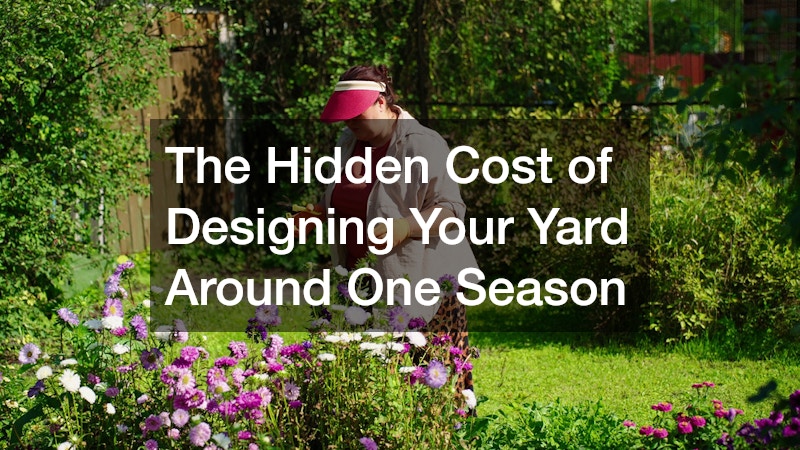
A yard bursting with color in April can turn into a flat, lifeless space by August, and that gap often costs homeowners more than they expect. When landscaping decisions center on a single showy season, the other three tend to get neglected, leading to bare patches, wasted water, and expensive do-overs down the road. Understanding how seasonal planning affects your wallet, your outdoor living space, and your home’s curb appeal can help you avoid costly mistakes before you plant a single shrub. This article breaks down the hidden trade-offs of one-season thinking and shows you how to build a yard that earns its keep year-round.
Spring-Only Blooms and Their Summer Slump
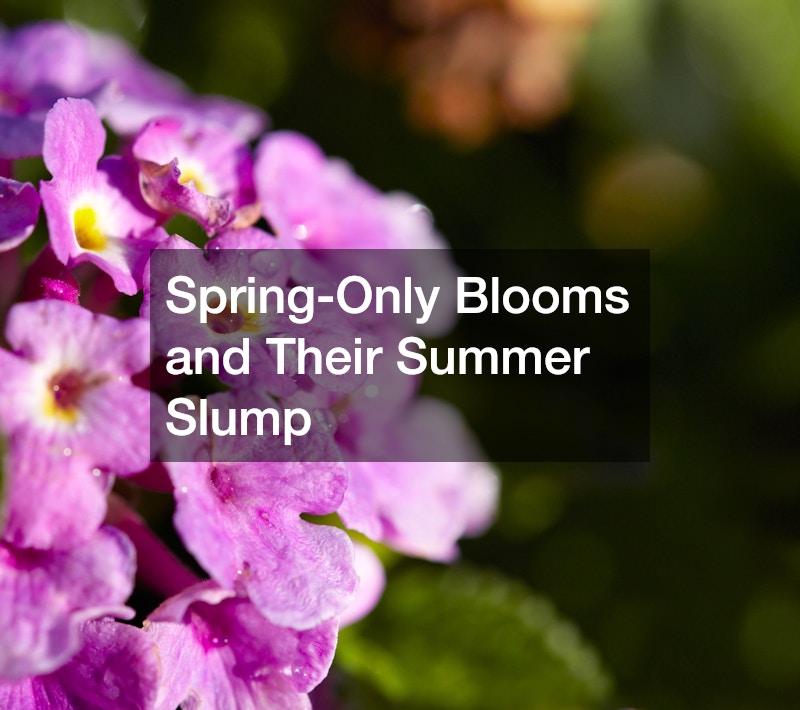
Many homeowners fall in love with spring bulbs and flowering trees, then find themselves staring at a dull, green-only yard once summer heat sets in. This happens because spring bloomers often go dormant or fade fast, leaving no visual interest for the remaining months. Without a plan that layers bloom times, you end up with a yard that peaks for six weeks and coasts for the rest of the year.
A smarter approach involves working with a professional who understands plant succession and seasonal overlap. Thoughtful landscape design accounts for which plants take over as others fade, so your yard never has a dead zone. This kind of planning also reduces the temptation to keep buying replacement plants every few months, which adds up quickly.
Fall Color Choices That Ignore Winter Structure
Fall foliage is dramatic and popular, but yards designed purely for autumn color often look skeletal and uninviting once the leaves drop. Homeowners who chase red maples and burning bush without considering winter form end up with a yard that feels abandoned from December through February. Evergreens, ornamental bark, and structural hardscaping elements are what carry a landscape through the coldest months.
Working with landscaping contractors early in the design process helps ensure your yard has bones that hold up when the leaves are gone. They can recommend a mix of deciduous and evergreen plantings so there is always something for the eye to land on. Skipping this step is one of the most common reasons yards feel neglected in winter, even when they were stunning in October.
Irrigation Systems Built for Peak Growing Months
Sprinkler systems are frequently installed with only the hottest growing months in mind, which means they are often oversized or mistimed for the rest of the year. This leads to overwatering in spring and fall, higher water bills, and root rot in plants that did not need that much moisture to begin with. A system calibrated for one season is rarely efficient across all four.
- Overwatering in cooler months can promote fungal disease and weed growth
- Underestimating summer needs leads to drought stress and brown patches
- Smart controllers that adjust for rainfall and temperature reduce waste
- Zoned irrigation lets you water lawn, shrubs, and flower beds differently
- Seasonal audits catch broken heads or leaks before they inflate your bill
Patio and Outdoor Living Space Usage Patterns
A patio designed only for summer barbecues often sits empty and exposed the rest of the year, which wastes both space and money. Homeowners frequently underestimate how much more use they would get from an outdoor area if it included some protection from sun, wind, or light rain. This is where a local patio cover can extend usability into spring and fall evenings that would otherwise go unused.
Good patio builders will ask about your habits across all seasons, not just how you plan to use the space in July. They may suggest retractable shade options, fire features for cooler nights, or durable flooring that handles temperature swings without cracking. Thinking beyond peak season during the design phase prevents you from retrofitting the space later at a higher cost.
Sliding Glass Doors and Indoor Outdoor Flow
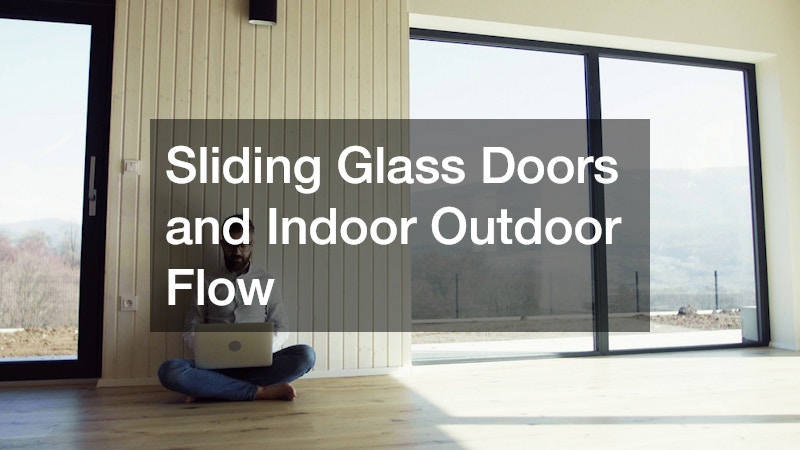
Many homeowners add large glass doors to open up their home to the backyard during warm months, but forget to consider performance in winter or during storms. Poorly insulated or improperly installed doors can leak air, fog up, or become difficult to operate once temperatures drop. This turns a feature meant to enhance the yard into a source of energy loss and frustration.
Professional sliding door installations account for weatherstripping, track drainage, and glass quality that holds up in both extreme heat and cold. Choosing hardware rated for your climate zone matters more than most homeowners realize when they are focused on the summer view. A door that looks great in June but drafts badly in January was not truly designed for your yard, only for one slice of it.
Hardscape Materials and Temperature Extremes
Stone, pavers, and concrete each react differently to freeze thaw cycles, intense heat, and moisture, so choosing materials based only on how they look in peak season is a common misstep. A patio that looks beautiful under summer sun might crack or heave after a harsh winter if the base preparation was not suited to your climate. This is why proper hardscape installation involves more than aesthetics.
- Porous materials like natural stone can absorb water and crack when it freezes
- Dark pavers retain heat and may become too hot to walk on barefoot in summer
- Proper base compaction prevents shifting during seasonal ground movement
- Sealants need reapplication schedules based on your regional weather patterns
- Expansion joints matter more in climates with big temperature swings
Tree Selection Based on One Standout Season
Trees chosen purely for spectacular fall color or spring blossoms can become liabilities the rest of the year, dropping excessive litter, blocking winter light, or providing no shade when you need it most. A tree that only earns its place for a few weeks a year is not pulling its weight in a well-planned landscape. Homeowners often realize this only after the tree has matured and removal becomes complicated and costly.
Consulting local tree businesses before planting helps you choose species that offer more than one season of benefit, such as spring flowers followed by summer shade and interesting winter bark. Getting this right from the start avoids the expense of tree removal down the line when a poorly chosen tree outgrows its space or becomes diseased. A knowledgeable arborist can also flag species prone to storm damage or invasive roots before they become a problem near your foundation or patio.
Lawn Care Routines Focused on One Growing Peak
Many lawn care schedules are built around making the grass look flawless for a specific event or season, like a summer graduation party, without regard for how that routine affects the lawn later. Homeowners will dump nitrogen-heavy fertilizer on the lawn six to eight weeks before the big date, chasing that deep green color and thick texture that photographs well. The problem is that this kind of push growth comes at a cost the lawn pays down the road.
Heavy fertilization timed for one peak can leave grass vulnerable to disease or pest pressure once conditions change. Fast, tender growth is exactly what fungal issues like brown patch and dollar spot thrive on, especially when summer humidity sets in right after that fertilizer application. Grubs and chinch bugs are also drawn to weakened turf, and a lawn that was force-fed nutrients for one occasion often lacks the root depth to bounce back once pests take hold.
A lawn treated this way often looks patchy or stressed for months after its moment of glory. What should be a simple late-summer slowdown instead becomes bare, discolored patches that require reseeding or dethatching to fix. And because the underlying soil health and root system were never addressed, the same cycle tends to repeat the following year, with another round of heavy feeding right before the next big event.
A more sustainable routine spreads care evenly across the year, adjusting mowing height, fertilization, and aeration to the grass type and season. Cool-season grasses like fescue and bluegrass need their heaviest feeding in early fall and spring, while warm-season varieties like Bermuda and zoysia do best with late spring and summer applications. Mowing height matters too — raising the blade to 3-3.5 inches during summer heat protects roots and reduces water loss, while a shorter cut in early spring helps new growth come in thick.
This reduces the total cost of lawn care over time because you are preventing problems rather than reacting to them. A lawn that’s aerated every one to two years and fed on a proper schedule resists weeds, drought stress, and fungus far better than one that gets a single seasonal push. That means fewer emergency treatments for brown patches, grubs, or crabgrass outbreaks that tend to show up when a lawn’s defenses are already worn down.
It also means your yard looks presentable most of the year instead of only during its scheduled peak. Instead of a few weeks of lush green followed by months of dormancy or stress, you get steadier color and density that holds up through temperature swings. That consistency also makes the lawn more resilient when unexpected weather — an early frost or a prolonged dry spell — hits outside the “planned” season.
Long-Term Maintenance Costs of Unbalanced Design
Yards designed around one season often require more emergency intervention because problems that could have been prevented with balanced planning show up unexpectedly. A spring-focused bed that ignores summer drought stress, for example, may need urgent irrigation repairs or plant replacement by July, turning a foreseeable gap into a costly rescue mission. Multiply that pattern across several seasonal blind spots, and a homeowner can end up paying for the same kind of fix year after year instead of solving the underlying design flaw once.
A landscaper who understands your whole yard, not just its showcase season, can help you build a maintenance calendar that spreads costs evenly rather than concentrating them into expensive seasonal scrambles. Instead of one large bill in autumn for cleanup, mulching, and winterizing all at once, the work gets distributed into smaller, predictable tasks throughout the year. This also makes it easier to budget, since you are looking at manageable monthly or quarterly line items rather than one unpredictable seasonal shock.
This kind of foresight also protects the investment you have already made in plants, hardscaping, and outdoor structures. Perennials that get neglected outside their peak season are more likely to weaken and need full replacement, while pavers or wood features exposed to freeze-thaw cycles without proper seasonal care can crack or rot years ahead of schedule. Spending a little on preventive attention in the off-season is almost always cheaper than replacing an entire plant grouping or repairing structural damage after the fact.
Homeowners who skip this planning often find themselves calling for help only when something has already failed, which is almost always more expensive than routine care. A cracked irrigation line discovered in July, a rotted fence post that finally gives way in a windstorm, or a tree limb that snaps under snow load all cost far more to fix in an emergency than they would have cost to catch early.
Regular tree services, for example, catch structural weaknesses or disease early, long before a tree becomes a safety hazard requiring emergency removal. A routine inspection and pruning might run a few hundred dollars, while emergency removal of a storm-damaged tree—especially one close to a house or power line—can easily climb into the thousands once crane rental, permits, and cleanup are factored in.
The same math applies to other yard systems. Lawns that are only fertilized in spring often develop summer stress or fungal issues that require costly treatment later, and irrigation systems left unchecked over winter frequently develop leaks that waste water and inflate utility bills before anyone notices.
Spreading maintenance across the year, rather than cramming it into one season, is one of the simplest ways to protect your overall investment. A basic quarterly checklist—covering soil health, pruning, pest checks, and hardscape inspection—can catch small problems while they’re still inexpensive to solve.
Designing a yard around a single spectacular season might deliver a few weeks of stunning photos, but it often leaves you paying for that choice the rest of the year in water bills, repairs, and premature replacements. A balanced approach that considers every season from the start protects your budget and keeps your outdoor space genuinely usable no matter the month. Before your next planting or hardscaping project, take time to map out how your yard will look and function in all four seasons, not just its favorite one. A little upfront planning now can save you significant time, money, and frustration for years to come.