When your air conditioner runs nonstop from June through September, the culprit is often less about your cooling system and more about how much direct sun is hitting your home. Strategic shade can lower indoor temperatures by several degrees before the thermostat ever kicks on, which translates directly into lower utility bills. Understanding exactly where heat enters your home, and which shading solutions deliver the best return, helps you make smarter decisions instead of just cranking the AC.
This guide breaks down the real numbers behind shade and cooling costs, plus practical ways to block heat at every entry point.
How Much Heat Enters Through Your Roof
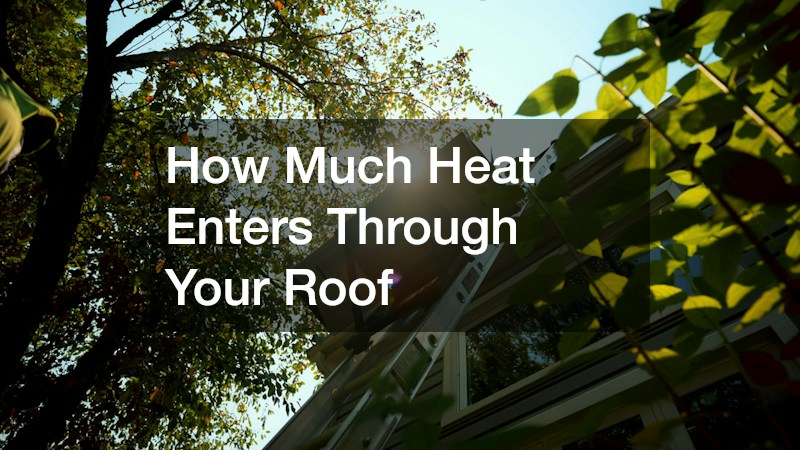
Your roof absorbs more direct sunlight than any other surface on your property, often reaching temperatures well above 150 degrees on a summer afternoon. That heat radiates downward into your attic and living space, forcing your cooling system to work overtime just to keep pace. The type of roofing material, its color, and its condition all affect how much heat transfers indoors.
Homeowners looking to reduce this heat load often start by talking to residential roofers about reflective shingles, lighter color options, or proper attic ventilation. A roof in poor repair, with damaged flashing or worn underlayment, allows even more heat to seep through gaps and aging materials. Addressing roof condition before summer hits is one of the most overlooked ways to control indoor temperatures.
Why West-Facing Windows Drive Up Cooling Costs
Windows facing west take the brunt of the afternoon sun, when temperatures are already at their peak and your AC is working hardest. Unshaded glass can raise indoor room temperatures by as much as 10 to 15 degrees compared to shaded windows in the same house. This is why window orientation matters so much when planning any shading strategy.
One of the most effective fixes is installing exterior sun shades on west and south-facing windows, since they block solar heat before it ever reaches the glass. Unlike interior blinds or curtains, exterior shades stop heat at the source rather than trapping it between the shade and the window. Many homeowners see a noticeable drop in room temperature within the first hot week after installation.
- Exterior sun shades can block up to 70 to 90 percent of solar heat gain depending on fabric density
- West-facing windows typically need shade more urgently than east-facing ones
- Mesh weave affects both heat reduction and outward visibility
- Motorized options make daily adjustment easier during changing seasons
The Cooling Power of Mature Trees and Landscaping
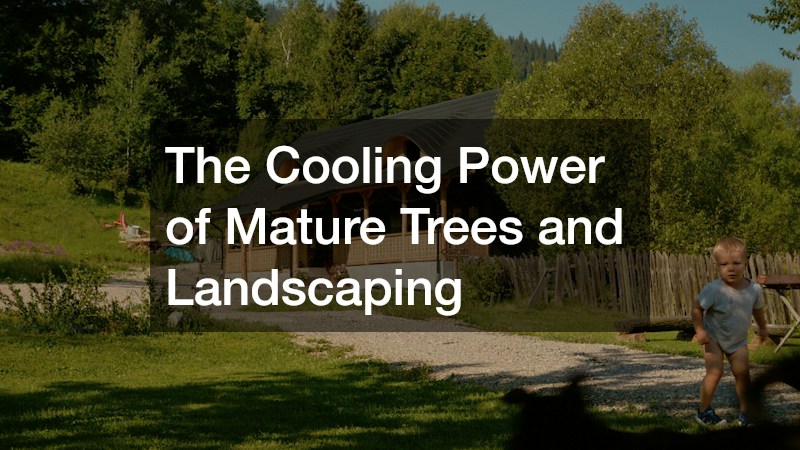
A well-placed shade tree can lower the temperature of the air around your home by up to 10 degrees, and studies show properly shaded homes use significantly less energy for cooling—often cutting air conditioning costs by 20 to 30 percent once trees mature. The savings come from two effects working together: trees block direct solar radiation from hitting your roof and walls, and they cool the surrounding air through evapotranspiration, the process by which leaves release water vapor.
Deciduous trees are especially useful since they block intense summer sun but drop their leaves in winter, allowing warming sunlight through when you actually want it. Species like red maple, oak, and sweetgum grow dense canopies that provide strong summer coverage while still letting in low-angle winter light once bare. Keep in mind that these trees take years to deliver real savings—a newly planted sapling won’t shade your roofline for a decade or more, so pairing new plantings with faster-growing shrubs or awnings can bridge the gap.
Planting on the west and south sides of your property delivers the most noticeable impact on indoor comfort, since afternoon sun from the west tends to be the harshest on cooling systems. Aim to plant large shade trees 15 to 20 feet from the house so mature roots and branches don’t damage your foundation or roof, while smaller ornamental trees or shrubs can go closer to shade windows and walls directly. Even strategically placed vines on trellises or lattice can knock several degrees off a sun-exposed wall without the long wait for a full tree canopy.
Of course, mature trees require upkeep, and storm damage or overgrown limbs can quickly turn a cooling asset into a safety hazard. A large oak or maple limb weakened by disease or wind can snap without warning, and the resulting damage to a roof or power line often costs far more than routine maintenance would have. After severe weather, homeowners sometimes need emergency tree services to remove damaged limbs before they fall and cause injury or structural harm.
Regular inspections are just as important as storm response. Arborists typically recommend having mature trees checked every two to three years, looking for signs of rot, cracked branches, or roots that have started lifting nearby pavement or foundations. Pruning dead or crossing limbs not only reduces the risk of breakage but also improves airflow through the canopy, which can help the tree stay healthier and provide denser, more consistent shade.
Keeping trees healthy and properly pruned ensures they continue providing reliable shade without putting your home at risk. Homeowners who budget for occasional professional care, rather than waiting for a crisis, tend to get decades more cooling benefit from the same tree while avoiding the higher costs and risks that come with emergency removal.
How Adjustable Shade Coverings Reduce Indoor Heat Gain
Awnings placed over windows, patios, and doors block direct sun before it ever touches your exterior walls or glass. Because they extend outward from the house, they shade a wider surface area than curtains or interior blinds ever could. This makes them one of the more versatile shading tools available to homeowners who want flexibility.
Retractable awnings offer an added advantage over fixed versions because they can be extended during peak sun hours and pulled back when you want natural light or a clear view. This adjustability makes them practical across changing seasons, since a fully shaded patio in July might be less desirable in cooler months. Many models now include sensors that automatically retract in high wind, protecting the fabric from damage.
- South-facing windows benefit most from awning coverage during midday hours
- Retractable designs allow year-round flexibility compared to permanent overhangs
- Fabric awnings typically last 8 to 12 years with proper care
- Motorized and manual crank options are both widely available
Why Attic Ventilation and Gutter Health Matter for Heat Control

Proper attic ventilation allows hot air trapped under your roof to escape rather than radiating down into living spaces. Poor ventilation combined with clogged gutters can also trap moisture, which worsens heat retention and creates conditions for mold growth. Keeping your roofline clear and functional supports both temperature control and long-term roof health.
Installing a gutter guard reduces the buildup of leaves and debris that can trap heat and moisture against your roofline, particularly during humid summer months. Clean, well-maintained gutters also help rainwater drain properly away from your foundation, which indirectly supports better indoor climate control by preventing excess ground moisture near your home. This small maintenance step is often overlooked in conversations about cooling costs, but it plays a real supporting role.
How Driveway and Patio Materials Affect Radiant Heat
Dark paved surfaces near your home absorb enormous amounts of heat and radiate it back toward your house throughout the evening, keeping outdoor temperatures elevated well after sunset. Standard asphalt can reach surface temperatures of 120-150°F on a sunny summer afternoon, compared to 100-110°F for lighter concrete. That stored heat doesn’t dissipate quickly once the sun goes down, which means the surface keeps releasing warmth for hours.
This radiant heat can seep into nearby windows and doors, adding to your cooling load even after the sun goes down. A driveway or patio positioned within a few feet of your foundation acts almost like a secondary heat source, warming the air your AC unit has to work against. Homes with south- or west-facing paved areas tend to feel this effect most, since those surfaces bake in direct sun for the longest stretch of the day.
The material and color of your driveway or patio surface plays a bigger role in this than most homeowners realize. Asphalt, being nearly black, absorbs far more solar energy than poured concrete, brick, or light-colored pavers. Reflective or “cool” pavement products, along with lighter aggregate mixes, can lower surface temperatures by 20 degrees or more compared to traditional asphalt. Permeable pavers and gravel also help, since they allow heat and moisture to disperse into the ground rather than radiating it all back into the air around your house.
Traditional asphalt paving tends to absorb more heat than lighter-colored concrete or paver alternatives, often reaching surface temperatures 40 to 50 degrees hotter than the surrounding air on a sunny summer afternoon. That stored heat doesn’t disappear when the sun goes down; it radiates outward for hours, which is why placement relative to your home matters so much.
Homeowners with asphalt paving close to west-facing walls may notice warmer evening temperatures indoors compared to those with lighter surfaces or more distance between pavement and the house. A driveway or patio positioned within a few feet of siding or windows can act like a slow-release heater, pushing warmth into the home well after sunset and forcing air conditioners to work harder into the evening hours.
Material choice can make a measurable difference here. Concrete typically runs 10 to 15 degrees cooler than asphalt in direct sun, while light-colored pavers or gravel can shave off even more thanks to higher reflectivity. For homeowners not ready to repave, simply increasing the buffer zone between pavement and exterior walls reduces direct radiant transfer.
Adding shade trees or shrubs along paved areas can help offset some of this radiant heat buildup, especially when placed to block afternoon sun on the west or southwest side. Even low ground cover or a strip of lawn between the driveway and the house can interrupt heat radiation compared to pavement running edge to edge.
How Fencing Materials Influence Yard Shade and Airflow
Fences do more than mark property lines, they also affect how air circulates through your yard and how much shade falls across your outdoor living space. Solid privacy fences can block cooling breezes, while open designs allow airflow but offer less shade for patios and outdoor seating areas. Choosing the right fence style involves balancing privacy, airflow, and shade coverage.
An aluminum fence company can help homeowners select styles that balance these factors, since aluminum fencing comes in both open picket designs and more solid privacy configurations. Unlike wood, aluminum does not absorb and radiate heat the same way, making it a cooler option to lean against or sit near during peak summer afternoons. This makes it a practical choice for homeowners trying to keep outdoor spaces more comfortable without sacrificing durability.
Preparing Outdoor and Indoor Spaces for Severe Summer Weather
Summer heat often comes paired with severe storms, and preparing your property for both extremes makes sense from a safety and comfort standpoint. Many homeowners in storm-prone regions invest in storm shelters to protect their families during tornado warnings or hurricane season, and these structures can often double as cool, shaded retreats during intense heat waves. Planning for weather extremes holistically, rather than addressing heat and storms separately, leads to smarter home improvement decisions.
Beyond shelters, reinforcing windows, doors, and rooflines helps protect against both wind damage and excessive heat gain simultaneously. A well-sealed, storm-ready home is often also a more energy-efficient one, since the same weatherproofing that keeps out wind and rain also helps keep out unwanted heat. This dual benefit makes storm preparation a worthwhile investment beyond just safety.
Small Interior Upgrades That Support a Cooler Home
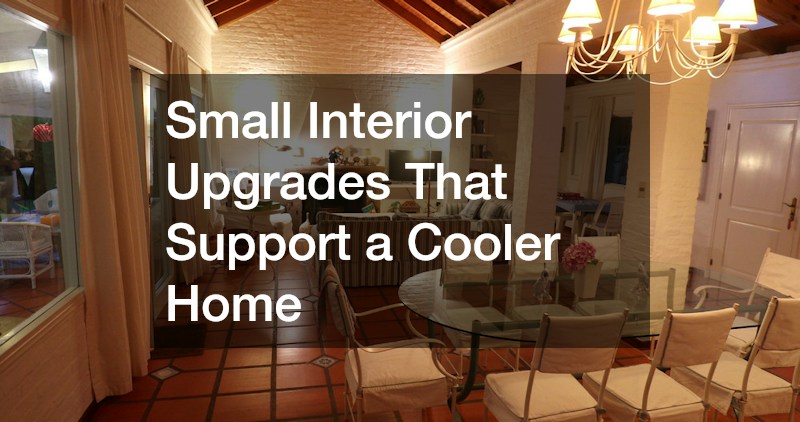
While shading strategies focus on the exterior, interior choices also affect how much heat your home retains throughout the day. Materials that absorb and hold heat can make rooms feel warmer even with shades and awnings in place outside. Paying attention to interior finishes is a smaller but still meaningful part of the overall cooling picture.
Homeowners renovating their kitchens might consider that certain kitchen countertops, such as dark granite or dark quartz, absorb heat from sunlight streaming through nearby windows and can radiate warmth back into the room later in the day. Lighter countertop materials reflect more light and retain less heat, making kitchens feel more comfortable during peak afternoon hours. This is a smaller factor compared to roofing or window shading, but it adds up when combined with other heat-reducing choices throughout the home.
Conclusion
Cutting your summer cooling bills rarely comes down to a single fix, it is the combination of roof condition, window shading, landscaping, and even material choices around your property that adds up to real savings. Start with the areas letting in the most heat, whether that is an aging roof, unshaded west-facing windows, or a driveway radiating warmth into your evenings. Small, targeted changes made this season can mean a noticeably lower energy bill and a more comfortable home by the time next summer rolls around.