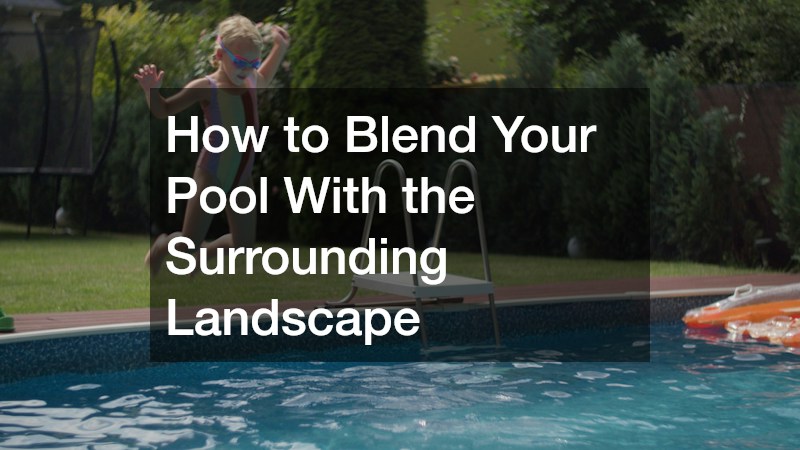
To seamlessly blend a pool into your backyard, you must treat the water feature and the surrounding landscape as a single, cohesive ecosystem. This process begins with strategic construction, designing the pool’s layout to match the yard’s natural topography. Next, the pool is visually anchored using custom stone edges, lush landscaping, and unobtrusive fencing to bridge the gap between hard concrete and nature. Finally, preserving this luxurious retreat requires ongoing maintenance to keep the plants hydrated, the lawn neatly trimmed, and the water crystal clear.
Design the Layout
Establishing the initial footprint is the most critical step in seamlessly marrying a water feature with its environment. A well-conceived layout dictates how people will move through the backyard, where the natural focal points will emerge, and how the sun will interact with the water throughout the day. Before any ground is broken, the design must account for the yard’s existing topography, preserving mature trees and natural slopes while maximizing usable space. The goal is to create a layout that feels inevitable, as though the pool was always meant to occupy that exact location rather than being forced into an awkward corner.
Achieving this organic fit requires translating broad concepts into precise schematics. You must decide whether a rigid geometric shape complements a modern architectural home or if sweeping, freeform curves better mimic a natural lagoon. Positioning the pool to reflect the home’s sightlines ensures that the water can be enjoyed even from indoors, acting as a dynamic piece of living art. Partnering with local custom pool builders allows you to navigate these specific spatial challenges, tailoring the depth profiles, entry steps, and sun shelves to match both the contours of your property and your family’s daily lifestyle.
Dig the Foundation

The excavation phase transforms a conceptual design into a physical reality, permanently altering the landscape to accommodate the new aquatic environment. Digging the foundation is an aggressive, earth-moving process that requires significant heavy machinery and a careful approach to site management. This stage sets the depth, establishes the structural walls, and dictates how the surrounding earth will support the massive weight of the water. Proper excavation ensures that the pool will not shift or settle over time, which is essential for maintaining the visual continuity between the water line and the adjoining landscape.
Beyond simply carving out a void, the digging process involves complex soil analysis and precise grading to manage future water runoff. If your yard features steep inclines or uneven terrain, the foundation phase will likely include carving terraces or preparing trenches for structural retaining walls. Addressing rocky soil, high water tables, or heavy clay requires specialized heavy equipment and structural engineering foresight. Bringing in experienced in ground swimming pool companies ensures that the excavation is handled with surgical precision, protecting the surrounding root systems of preserved trees and establishing a stable, heavily compacted base for the gunite, vinyl, or fiberglass shell.
Hire Pool Experts
Transforming a massive crater in your yard into a functioning, beautiful oasis requires a symphony of specialized trades working in perfect harmony. A swimming pool is a complex piece of engineering that relies on intricate plumbing networks, high-voltage electrical systems, and heavy-duty structural reinforcements. Coordinating these elements is not a task for a general handyman; it requires professionals who understand the specific demands of aquatic construction. The structural integrity and operational efficiency of the pool depend entirely on the expertise of the people installing the steel rebar, routing the PVC pipes, and wiring the filtration pumps.
Navigating the logistical hurdles of a pool installation involves securing municipal permits, scheduling precise municipal inspections, and managing a tight sequence of material deliveries. A single misstep in the plumbing installation can delay the concrete pour, throwing the entire project off schedule and risking damage to the exposed soil. Hiring dedicated pool contractors centralizes this complicated orchestration, providing a single point of accountability to oversee the rebar grid tying, the pressure testing of the hydraulic lines, and the final curing of the plaster finish, ensuring the mechanical systems blend invisibly into the background.
Plan the Scenery
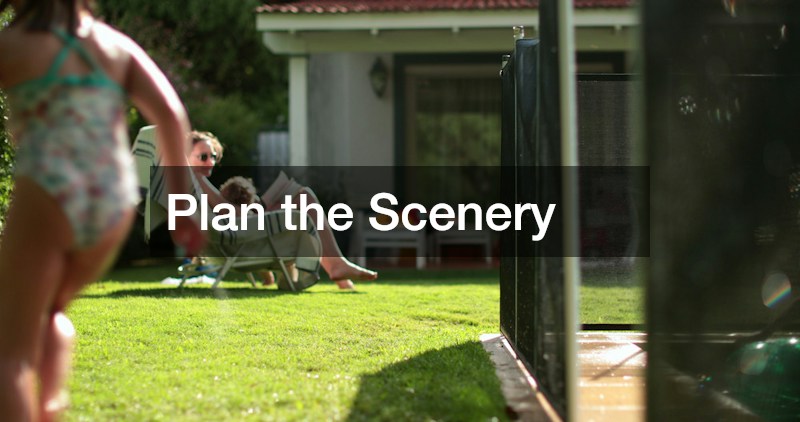
The true magic of an integrated backyard lies in the vegetation that surrounds the water, acting as the visual glue between the man-made structure and nature. Softening the harsh concrete and sharp angles with lush greenery immediately transforms a stark swimming area into a private, inviting retreat. Strategic planting provides natural shade, blocks prevailing winds, and creates a sense of seclusion from neighboring properties. The foliage you introduce establishes the dominant aesthetic of the yard, whether you are aiming for a sparse, arid desert vibe with succulents or a dense, tropical enclosure heavily layered with broadleaf ferns and towering palms.
Selecting the right flora requires a deep understanding of how different species interact with a microclimate heavily influenced by water, chemicals, and reflected sunlight. You must actively avoid deciduous trees that drop heavy leaf litter or plants with aggressive root systems that threaten to crack underground plumbing lines. Proper landscape designing incorporates salt-tolerant and chlorine-resistant ornamental grasses, low-debris evergreen shrubs, and vibrant container gardens that can thrive in the high-humidity splash zones without constantly dumping organic matter into your skimmer baskets.
Lay Solid Ground
The flat surfaces immediately surrounding the water serve as the functional foundation for outdoor living, bridging the gap between the back door of your home and the pool’s edge. This walkable perimeter must safely accommodate wet, bare feet while providing enough space for lounging chairs, dining tables, and outdoor kitchens. The geometry and texture of these surfaces dictate the visual flow of the yard, guiding the eye and managing foot traffic seamlessly throughout the space. A cohesive approach to this ground cover ensures that the transition from dry land to water feels intentional rather than abrupt.
Choosing materials for these lounging and walking areas involves balancing slip resistance, heat retention, and aesthetic appeal. Standard brushed concrete offers a clean, economical finish, but natural travertine pavers or textured stamped concrete provide superior traction and remain significantly cooler under the harsh summer sun. Implementing smart hardscaping also requires installing subtle deck drains and establishing a slight outward pitch, ensuring that heavy rainwater and splashed pool water efficiently roll away from the coping rather than pooling on the patio or draining dirty water back into the pristine swimming area.
Craft Stone Edges

The immediate boundary where the water meets the patio is a critical transition point that defines the pool’s character and architectural style. This perimeter edge, known as coping, serves both a visual and highly functional purpose, acting as the structural frame for your aquatic centerpiece. A well-crafted edge creates a definitive stopping point for the eye while physically capping the pool shell to protect the underlying bond beam from water intrusion and frost damage. The style of this border dramatically influences whether the pool feels like a modern reflection basin or a rugged natural spring.
Executing this crucial detail requires manipulating heavy, unwieldy materials with a high degree of precision to ensure the perimeter remains perfectly level. You might opt for a seamless cantilevered concrete edge for a sleek, contemporary look, or utilize tumbled flagstone and strategically placed faux boulders to mimic a mountainous swimming hole. Bringing in a skilled mason contractor ensures that the mortar joints are packed tightly, the bullnose bricks are aligned flawlessly, and any integrated waterfalls or elevated spa spillways are constructed with permanent structural integrity to withstand years of heavy, wet use.
Frame the Space
Establishing a secure perimeter around a swimming area is an undeniable necessity for safety and liability, but it does not have to compromise the beauty of the landscape. The boundary lines you draw around your property serve to keep wandering children and pets out of danger while simultaneously blocking prying eyes from nearby streets or adjacent houses. When executed thoughtfully, this barrier fades into the background or actively enhances the architectural theme of the yard. The goal is to enclose the space securely without making the backyard feel like a restrictive, claustrophobic cage.
Selecting the right barrier material requires balancing municipal pool code compliance with your desired level of visual permeability. Solid cedar panels provide absolute privacy and wind protection, while sleek, black tubular aluminum or frameless tempered glass panels offer unobstructed sightlines to the surrounding natural vistas. Contracting a reliable fence service ensures that the posts are set below the frost line, the self-closing and self-latching gates meet all strict local safety ordinances, and the final enclosure seamlessly follows the rolling grade of your beautifully sculpted yard.
Water the Flora

The lush, vibrant greenery that softens the hard edges of your pool relies entirely on a consistent, reliable source of hydration to survive the intense heat of the summer. Maintaining a thriving perimeter garden requires a mechanical watering strategy that operates quietly and efficiently behind the scenes. If the surrounding soil dries out, the resulting dead foliage and dust will inevitably blow straight into the water, rapidly degrading both the aesthetic appeal and the water quality of your outdoor oasis. A healthy, well-watered yard is the best defense against excessive pool debris and soil erosion.
Delivering water to these plants must be done with pinpoint accuracy to avoid spraying treated municipal water directly onto the pool deck or into the chlorinated water. Utilizing specialized drip lines in the garden beds and highly directional rotor heads for the turf ensures that moisture reaches the root zones without creating muddy puddles on your pristine patio. If older, existing sprinkler heads are misaligned or underground PVC pipes have been crushed by heavy construction machinery, immediate irrigation system repair is mandatory to prevent massive underground leaks from destabilizing the soil around the pool shell and washing away expensive landscaping.
Trim the Grass
A dense, healthy carpet of grass rolling right up to the edge of the pool deck provides a stunning color contrast against the bright blue water and pale stone patios. Maintaining this crisp, manicured look requires relentless consistency, as overgrown turf quickly looks unkempt and invites unwanted pests into your lounging areas. The turf serves as a natural, cool surface for bare feet and acts as a vital filtration buffer that prevents heavy rains from washing loose topsoil onto your expensive stone surfaces. A tightly kept lawn elevates the entire property, giving the backyard a high-end, resort-style finish.
Executing this upkeep around a delicate body of water introduces unique challenges that go beyond pushing a rotary blade across a flat yard. Careless string trimming can easily hurl rocks, dirt clods, and heavy clumps of wet grass directly into the pool, immediately clogging the skimmer lines and creating a massive cleanup headache. Utilizing professional lawn mowing services ensures that the turf is cut cleanly at the proper height, the edges along the concrete are maintained with surgical precision, and all mower discharge is strictly directed away from the water to keep the aquatic environment pristine.
Clean the Pool
All the stunning stonework, lush landscaping, and expensive patio furniture in the world cannot salvage the appearance of a backyard if the centerpiece is filled with murky, neglected water. The pool itself is the primary visual anchor of the landscape, and its surface must remain sparkling and clear to reflect the sky and the surrounding greenery. Routine maintenance removes the inevitable buildup of organic matter, airborne dust, and sunscreen oils that accumulate through normal daily use. A perfectly clean pool signals that the environment is healthy, inviting, and meticulously cared for.
Achieving this constant state of crystalline clarity requires a strict regimen of chemical balancing, mechanical filtration, and physical scrubbing. The walls must be brushed weekly to prevent microscopic algae blooms, while the pH, alkalinity, and chlorine levels must be tested and adjusted to keep the water sanitary and prevent scaling on the plaster walls. Hiring dedicated local pool cleaners takes the guesswork out of this tedious chemical management, ensuring that the skimmer baskets are emptied, the heavy debris is vacuumed from the deep end, and the filtration cartridges are routinely washed down so the water remains flawlessly integrated with the surrounding beauty.
Successfully blending a swimming pool into your landscape requires merging structural engineering with natural elements. The process begins with a strategic layout and foundation scaled to your yard’s topography, followed by durable patio surfaces that connect the home to the water. Visual harmony is achieved through fine architectural details like stone coping, unobtrusive fencing, and low-debris plants that soften hard concrete lines. Sustaining this luxurious, integrated retreat relies on meticulous ongoing maintenance, including precise irrigation, careful lawn trimming, and rigorous water balancing, which together erase the boundaries between the pool and the natural yard.