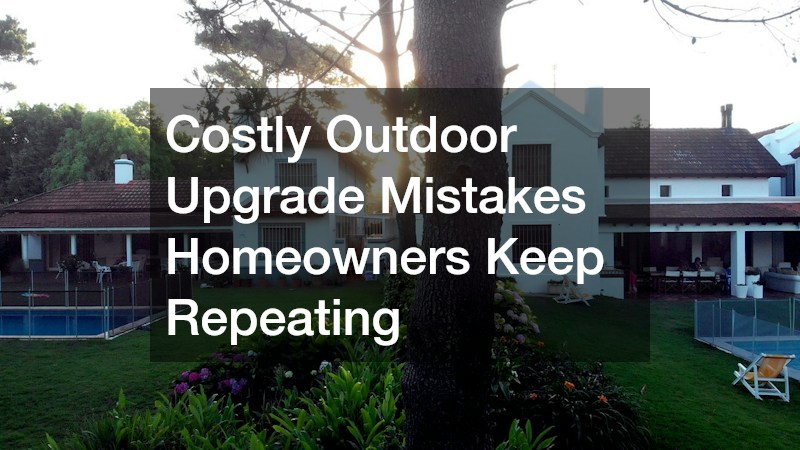
Homeowners planning a major outdoor upgrade often focus on curb appeal and forget that the roof over their heads plays a bigger role in the project’s success than any patio or landscaping choice. Every year, thousands of families sink thousands of dollars into decks, outdoor kitchens, and siding upgrades while ignoring warning signs on their roof that could undo all that work within a few seasons. The result is a costly, avoidable mistake: spending big on the exterior while the roof quietly deteriorates above it.
This article breaks down why that mistake keeps happening and how to plan your next outdoor project the right way.
Skipping a Roof Inspection Before Any Major Exterior Project
Many homeowners jump straight into planning a deck expansion or exterior remodel without ever having their roof looked at first. This is backwards thinking, because a roof in poor condition can cause water damage that seeps into new siding, fascia, or structural additions within a year or two. A thorough inspection before construction begins protects the investment you are about to make in the rest of your property.
Reputable roofers typically offer inspections that take less than an hour but reveal issues like cracked flashing, worn underlayment, or sagging decking that homeowners cannot see from the ground. Catching these problems early means you can budget for repairs alongside your upgrade instead of discovering them mid-project.
- Schedule an inspection at least four to six weeks before starting any exterior renovation
- Ask for photos of problem areas, not just a verbal summary
- Request a written estimate for any repairs found during the inspection
- Confirm whether attic ventilation was checked as part of the process
Underestimating the True Age of an Existing Roof
A common reason homeowners repeat this mistake is assuming their roof still has years of life left simply because it looks fine from the driveway. Asphalt shingles typically last between 15 and 25 years, but factors like poor attic ventilation, storm exposure, and low-quality original roof installation can shorten that lifespan considerably. If your roof is already past the halfway point of its expected life, pouring money into landscaping or a new deck without addressing the roof is a gamble.
Homeowners can check paperwork from the original build or previous sale to estimate roof age, but this information is not always accurate or available. In those cases, a professional assessment is the only reliable way to know how many years you realistically have left before replacement becomes urgent.
- Check for curling, cracked, or missing shingles as visible age indicators
- Look inside the attic for daylight coming through the roof deck
- Note any granules collecting in gutters, which signal shingle breakdown
- Review past insurance claims for storm or wind damage history
Choosing Landscaping Over Structural Priorities
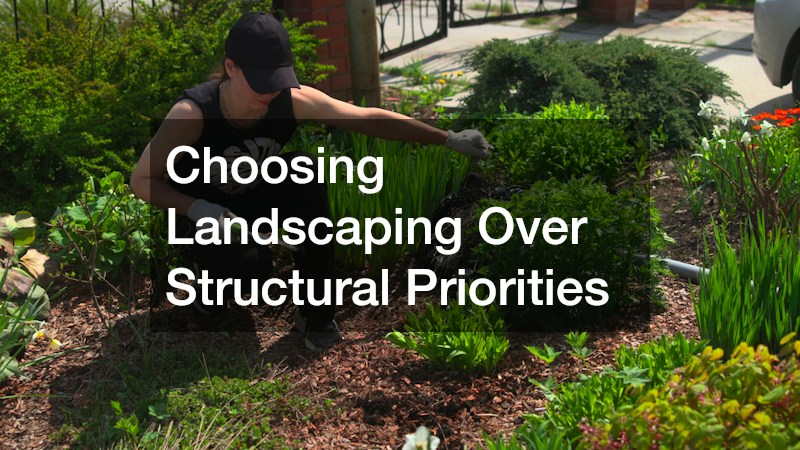
It is easy to get excited about a beautiful backyard transformation, but prioritizing plants, pavers, and lighting over structural repairs is exactly how homeowners end up with expensive regrets. A $6,000 patio installed on top of poor drainage can crack, sink, or heave within a year or two once water finds its way underneath. Water that isn’t properly diverted from a failing roof, cracked foundation, or clogged gutter system can undermine new hardscaping, erode soil around fresh plantings, and stain freshly painted siding.
Before signing off on any landscaping quote, homeowners should have their roof, gutters, grading, and foundation inspected for issues that water exposure could worsen. A grading problem that pushes water toward the house, for instance, can rot fence posts, flood a new fire pit area, or seep into a basement, turning a $2,000 fix into a $10,000 repair once it’s ignored long enough. Downspouts that dump water two feet from the foundation instead of six or more are another common culprit that undoes landscaping investments fast.
Structural priorities should always come before cosmetic ones, even if that means delaying the fun part of the project. A reasonable rule of thumb is to address anything involving water intrusion, drainage, or the home’s building envelope first, then move on to retaining walls, patios, and greenery once those systems are confirmed sound. Spending a few hundred dollars on an inspection upfront is far cheaper than repouring concrete or replacing plants that were never given a fighting chance.
A simple way to reframe this decision is to think of your home’s exterior as a system rather than separate projects. The roof, gutters, drainage, and landscaping all interact, and neglecting one piece puts pressure on the others. A cracked downspout or a sagging gutter section doesn’t just risk water damage to the house — it dumps runoff straight into flower beds, erodes mulch, and drowns root systems that cost thousands to install.
This is why sequencing matters. A $6,000 paver patio installed before a roof and drainage assessment can end up sitting in standing water after every storm, warping stone or undermining the base within a few seasons. The same money spent after fixing gutters and grading tends to hold up for decades instead of years.
Homeowners who address the roof first often find their landscaping investment lasts significantly longer, largely because the water is being managed before it ever reaches the yard. A useful rule of thumb: get a roof and drainage inspection every 3-5 years, or immediately before any major landscaping project, so you’re not planting on top of a problem you can’t see yet.
- Grade soil away from the foundation before installing new landscaping features — aim for a slope of at least 6 inches of drop over the first 10 feet
- Extend downspouts at least three feet from planting beds, and further if your soil is clay-heavy or drains slowly
- Avoid planting large trees too close to rooflines or gutters; most species need 15-20 feet of clearance to prevent root and branch damage
- Confirm gutter capacity matches your roof’s water runoff volume, especially after adding patios or driveways that increase runoff
- Check that flower beds and mulch aren’t piled against siding, which traps moisture and invites rot or pests
- Schedule a drainage inspection before major landscaping if your yard has any history of standing water or basement dampness
Hiring Based on Price Alone Instead of Track Record
When homeowners finally do decide to address roof issues, many make a second mistake by choosing the cheapest bid without researching the contractor’s history. Not all roofing companies carry the same licensing, insurance, or warranty coverage, and a lower price often reflects corners being cut on materials or labor. Comparing at least three quotes and asking detailed questions about workmanship guarantees helps homeowners avoid a rushed decision that costs more later.
It also helps to understand that established roofing companies usually have documented processes for permits, inspections, and cleanup that smaller or newer outfits may skip. Asking for references from recent projects similar in scope to yours gives a clearer picture of what to expect than online reviews alone.
- Verify licensing and insurance directly with your state or local agency
- Ask how long the company has operated under its current name
- Request at least two references from jobs completed in the last year
- Compare warranty terms in writing, not just verbally promised coverage
Overlooking Material Differences for Residential and Larger Properties
Homeowners with larger properties, detached structures, or mixed-use spaces sometimes assume standard residential materials will hold up the same way everywhere on their property. This isn’t always true, particularly for garages, workshops, or outbuildings that face different exposure and structural demands. In these cases, consulting an industrial roofer or a contractor experienced with heavier-duty systems can prevent premature failure on structures that don’t fit the typical residential mold.
Material choice matters just as much as installation quality. Metal, membrane, and heavier shingle systems each perform differently depending on slope, climate, and building use, so matching the material to the structure is essential rather than defaulting to whatever was used on the main house.
- Match material weight and durability to the building’s actual use
- Consider slope and drainage separately for each structure on the property
- Ask whether outbuildings require different permitting than the main home
- Factor in long-term maintenance costs, not just upfront material price
Ignoring Ventilation and Insulation During Roof Work
A roof upgrade that ignores attic ventilation and insulation is only solving half the problem. Poor airflow traps heat and moisture, which shortens the lifespan of even a brand-new roof and can drive up energy bills year-round. Homeowners investing in outdoor upgrades should ask their contractor to evaluate ventilation as part of any larger roofing conversation, not as a separate afterthought.
Balanced ventilation systems pull in cooler air at the eaves and release warm air near the ridge, which prevents ice damming in winter and reduces shingle temperatures in summer. Skipping this step is one reason some homeowners find themselves replacing a roof again sooner than expected, adding unnecessary cost to what should have been a long-term investment.
- Check for a balanced ratio of intake and exhaust vents
- Look for signs of moisture or mold in attic insulation
- Ask about ridge vents versus box vents for your specific roof shape
- Confirm insulation meets current recommended R-value for your climate
Timing Roof Work Around Seasonal Demand and Budget Cycles
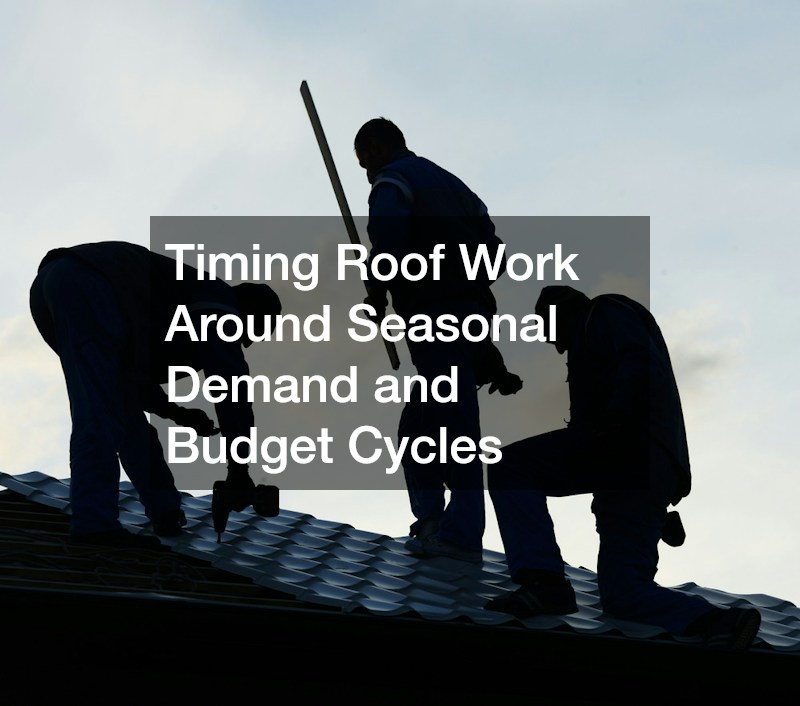
Scheduling matters more than most homeowners realize when planning an outdoor upgrade. Spring and fall tend to be the busiest seasons for exterior projects, which can mean longer wait times and higher prices from in-demand crews. Planning roof work in late winter or mid-summer, when schedules are lighter, sometimes results in better pricing and more attention to detail.
Budgeting across a full calendar year, rather than trying to fund everything in one season, also reduces the temptation to skip necessary roof repairs in favor of visible landscaping wins. Spreading costs allows homeowners to address the roof responsibly while still working toward the outdoor space they’ve been picturing.
- Request quotes in the off-season for potential cost savings
- Avoid scheduling major roof work during peak storm seasons
- Set aside a separate contingency fund for unexpected repairs
- Revisit your project timeline annually as materials and labor prices shift
Conclusion
The costly mistake homeowners keep repeating isn’t really about landscaping or decks at all; it’s about sequencing priorities in the wrong order. Addressing the roof first protects every other outdoor investment made afterward, from patios to plantings to fresh paint. Before signing a contract for your next exterior project, take the time to get a professional roof assessment and compare options carefully. That single step can be the difference between an upgrade that lasts for decades and one that needs costly rework within just a few years.