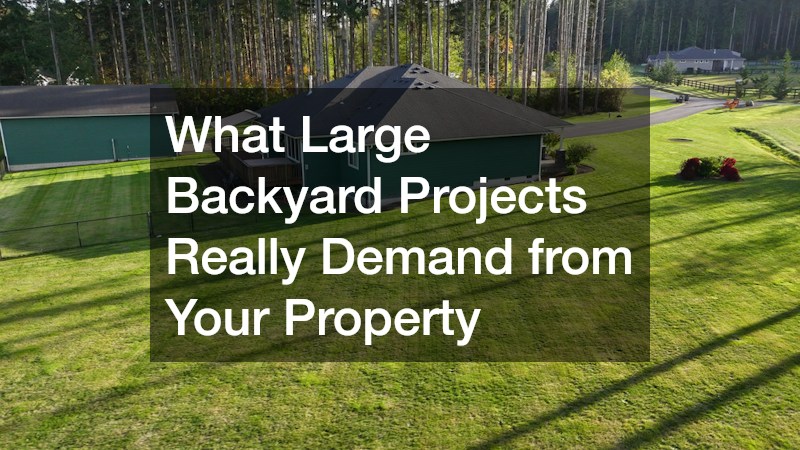
A large backyard project, whether it is a sprawling patio, a pool, or a full outdoor living space, can transform how you use your home. But before the first shovel hits the ground, these projects make serious demands on your property that go far beyond design choices. Underground utilities, soil conditions, equipment access, and even your home’s existing systems all come into play. Understanding these demands upfront helps you budget realistically and avoid costly surprises mid-project.
Evaluating Soil Stability and Drainage Patterns
Every large backyard project starts with the ground itself, and soil that looks solid on the surface can behave very differently once you start digging or adding weight. Clay-heavy soil expands and contracts with moisture, which can crack patios or shift retaining walls within a year or two. Sandy soil drains fast but may not support heavy structures without additional compaction work. A simple percolation test or a conversation with a soil engineer can save you from expensive repairs later.
Drainage patterns matter just as much as soil composition. Grading your yard incorrectly can send water pooling against your foundation or flooding a neighbor’s property, both of which create liability issues.
- Check how water flows across your yard during a heavy rain before planning
- Consider French drains or dry wells for low spots
- Avoid building directly over areas with poor runoff
- Factor in slope when planning patios, sheds, or outdoor kitchens
Mapping Underground Utilities Before Digging
Before any excavation begins, you need a clear picture of what lies beneath your yard. Water lines, gas lines, electrical conduit, and irrigation systems are often buried just a foot or two below the surface, and hitting one can mean an expensive repair plus a safety hazard. Most areas offer a free utility locating service that marks these lines with flags or paint before you dig. Skipping this step is one of the most common and preventable mistakes homeowners make on large projects.
One line that deserves special attention is your sewer lateral, the pipe connecting your home to the municipal sewer system or septic tank. If your project involves digging near this path, you may need sewer lateral repair before construction continues, especially in older homes where clay or cast iron pipes have degraded over decades. Addressing this early prevents a backed-up system from undermining your new patio or landscaping months after installation.
Securing Permits and Understanding Setback Requirements
Large backyard structures almost always require permits, and skipping this step can lead to fines or forced removal later. Local building codes dictate how close a structure can sit to your property line, often called setback requirements, and these vary significantly between municipalities. A detached garage, pool, or large shed may also trigger separate zoning reviews if it exceeds a certain size or height.
- Contact your local building department before finalizing design plans
- Ask about height restrictions for sheds, fences, and accessory structures
- Confirm whether an HOA has additional rules beyond city code
- Keep copies of all approved permits for future home sales
Renting the Right Machinery for Excavation and Grading
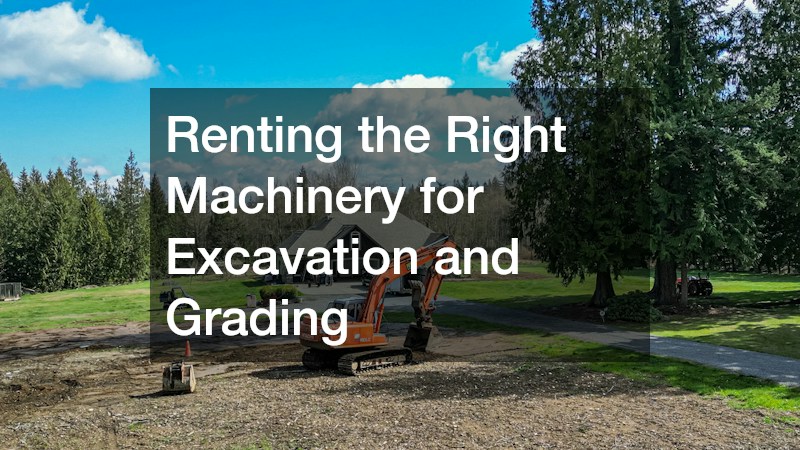
Most large backyard projects require more muscle than a shovel and wheelbarrow can provide. Excavation for a pool, trenching for drainage, or grading a sloped yard typically calls for machinery that most homeowners do not own outright. This is where heavy equipment rental becomes a practical option, letting you access a mini excavator, skid steer, or compact track loader for the exact duration of your project. The right machine depends on the job. A mini excavator in the 3,000 to 8,000-pound class handles pool digs and deep trenching with precision, while a skid steer is better suited for moving soil, grading, and clearing debris across a wider footprint. Compact track loaders split the difference, offering the flotation needed on soft or wet ground without the extra cost of a full-size excavator. Before booking equipment, measure your gate widths and side-yard access points, since many backyard projects are bottlenecked by a machine that simply cannot fit through a standard 36-inch gate. It’s also worth asking the rental company about daily versus weekly rates, delivery fees, and whether operator training or a walkthrough is included, since most jurisdictions do not require a special license to run this equipment on private property. Renting also means you are not stuck maintaining and storing expensive machinery once the job is finished. Factor in fuel, any required attachments like augers or grading buckets, and a buffer day or two in case weather delays the work, since most rental agreements charge by the calendar day rather than hours actually used.
Choosing the right equipment size matters as much as choosing the right type. A machine too large for your gate access or too small for the soil density will slow progress and increase costs. Before booking, measure gate widths, overhead clearance, and turning radius in your yard, since many compact excavators range from 3 to 8 feet wide and a mismatch here can bring a project to a halt on day one. Soil type should also guide your choice. Clay-heavy or rocky ground typically demands higher breakout force and a heavier machine, while sandy or already-loosened soil can be handled by smaller, lighter equipment that’s easier to maneuver in tight spaces. Renting a machine rated for your soil conditions prevents stalled progress, excess wear on the equipment, and the added expense of swapping machines mid-project. Attachments matter just as much as the base machine. Grading often requires a smooth bucket or box blade, while excavation may call for a toothed bucket or auger, so confirm what’s included in the rental versus what costs extra. Many rental companies offer short orientation sessions so first-time operators understand basic controls, hydraulic response, and safety limits before starting work, and taking advantage of this can prevent costly mistakes once the machine is on-site.
Protecting Tools and Materials with Temporary Structures
Large projects generate a lot of material, from lumber and pavers to tools and rented machinery, and leaving these exposed to weather invites both damage and theft. A pallet of lumber left uncovered during a rainy week can warp or swell, while bagged concrete exposed to even light moisture hardens into unusable clumps. Many homeowners underestimate how much covered storage space a multi-week project actually needs, often realizing only after delivery that their garage or shed can’t accommodate everything at once. Temporary coverall buildings have become a popular solution because they can be set up quickly on-site and taken down once the project wraps up, offering shelter without the cost of a permanent structure. Many models can be assembled in a day or two, require no poured foundation, and come in widths ranging from roughly 12 to 40 feet, which makes it easy to size the structure to the scope of the project. This matters for homeowners who need enough room for a skid steer or stacked pallets of pavers but don’t want to commit to a structure that outlives its usefulness. These fabric-covered steel frame buildings work especially well for protecting equipment during long projects that stretch across multiple seasons. The tensioned fabric cover sheds rain and snow while still allowing some natural light through, reducing the need for constant artificial lighting inside. Because the frames are modular, sections can often be added or removed as storage needs shift, giving homeowners flexibility that a rigid shed or rented storage container simply can’t match.
Beyond protecting materials, a covered structure also creates a dry workspace for contractors during inclement weather, which can keep your project on schedule. This is particularly useful in regions with unpredictable rain or snow, where delays can add weeks to a timeline. Temporary canopies, pop-up shelters, and portable carports are popular choices because they can be assembled in a few hours and moved as the project progresses. For larger-scale builds, some homeowners rent framed tent structures that cover an entire work zone, allowing crews to pour concrete, cut lumber, or mix materials without worrying about sudden downpours. Even a simple tarp system stretched over a frame can buy valuable time on days when rain is light or intermittent. Beyond rain, these structures help manage other weather extremes. Shade coverage keeps workers safer and more productive during intense summer heat, while windbreaks reduce the risk of debris or dust being kicked up across the yard. In colder climates, enclosed temporary structures can even allow limited work to continue through light snow or frost. It’s also worth factoring in the cost-benefit math: renting a temporary shelter for a few hundred dollars a week is often far cheaper than absorbing a week of delayed labor, especially on projects with multiple subcontractors whose schedules are hard to realign once disrupted.
Accounting for Load Limits on Existing Hardscaping
If your project involves adding a hot tub, outdoor kitchen, or heavy equipment storage near existing concrete or pavers, you need to confirm those surfaces can bear the additional weight. Older driveways and patios were often poured for lighter loads and may crack under a loaded dump truck or a filled water feature. A structural assessment before placing anything heavy can prevent cracking, sinking, or uneven settling.
- Have a contractor evaluate slab thickness before adding heavy features
- Check for existing cracks that could worsen under added weight
- Consider reinforced concrete for areas with planned heavy traffic
- Avoid parking rented machinery on unreinforced decorative pavers
Preparing Your Home Systems for Increased Outdoor Use
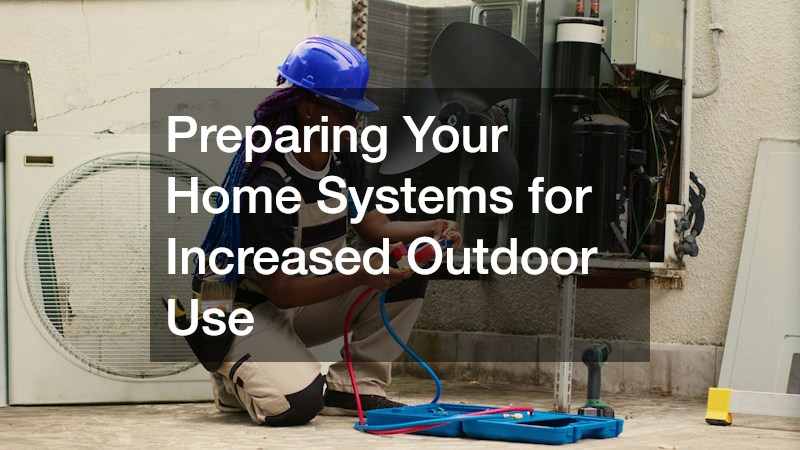
A bigger backyard setup often means your home’s systems work harder too. Adding an outdoor kitchen might require upgrading your electrical panel, while a pool can increase humidity that affects nearby rooms. One system that frequently gets overlooked is your HVAC, since extended outdoor living often means doors and windows open more often, straining the unit to keep indoor temperatures stable. Scheduling AC repair or a maintenance check before peak summer use ensures your system can handle the added demand once your new outdoor space is in full use.
It is worth reviewing your entire home infrastructure with these projects in mind, not just the backyard itself. Plumbing, electrical capacity, and ventilation all connect to how comfortably you will actually use your new space.
Large backyard projects ask more of your property than most people expect, from the soil beneath your feet to the systems inside your home. Taking time to evaluate drainage, utilities, permits, and equipment needs before construction begins will save you money and frustration down the road. Start with a thorough assessment of your yard and home systems, then build your project plan around what your property can actually support.