Key Takeaways
- A thoughtful outdoor plan can boost a home’s resale value significantly, often returning more than the original investment
- Starting with a site analysis of sun, soil, and drainage prevents costly plant failures down the road
- Breaking your yard into functional zones helps you balance beauty, usability, and maintenance demands
- Water-smart approaches like xeriscaping can cut irrigation needs roughly in half without sacrificing curb appeal
- Core principles such as balance, rhythm, simplicity, and unity give any outdoor space a cohesive, professional look
- Choosing plants suited to your climate reduces upkeep and keeps your yard thriving year after year
- A phased budget lets you build your dream yard in stages instead of all at once
Why Your Yard Deserves a Real Plan
Walk around any neighborhood, and you can usually tell within seconds which homes had a plan and which ones just grew into whatever shape the previous owners left behind. The difference is not always about money. It is about intention. A yard that was mapped out before anyone picked up a shovel tends to feel calmer, cleaner, and more inviting.
Most homeowners never get taught how to think about their outdoor space. We spend hours picking paint colors inside, then walk outside and plop a shrub wherever the garden center suggested. The result is usually a mismatched collection of plants, patios, and problem areas that never quite work together. That is a shame, because your yard is one of the first and last things anyone sees when they visit.
The good news is that planning an outdoor space is not reserved for professionals with fancy software. Anyone willing to spend a weekend observing their property and sketching some ideas can create something genuinely beautiful. This guide walks you through the basics from the ground up, so by the end you will know exactly where to start.
What Does Landscape Design Actually Mean?
Before diving into the how, it helps to understand what we are even talking about. In the simplest terms, landscape design is the art and science of arranging the living and non-living elements of your yard, including plants, trees, pathways, patios, water features, and lighting, into a layout that looks good and works well for the people using it.
Think of it like interior design, but for the outdoors. You are deciding what goes where, how the pieces relate to each other, and how the whole space will feel as you move through it. Good outdoor planning considers both aesthetics and function. A gorgeous garden that floods every spring or blocks the path to your front door is not successful, no matter how pretty the plants are.
The Return on Your Investment
Beyond looking nice, a well-planned yard pays you back. Studies show that strong landscaping can add roughly 15 percent to a property’s value, which could mean an extra $16,500 to $38,100 on a $300,000 home. Few home improvements offer that kind of return, which is why thoughtful outdoor planning is one of the smartest investments a homeowner can make.
How to Plan a Landscape Design From Scratch
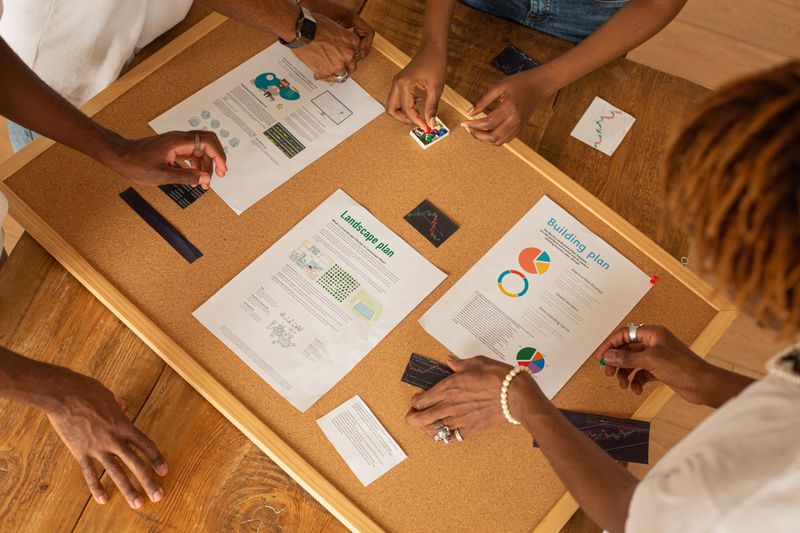
Here is where the real work begins. Learning how to plan a landscape design starts with observation, not shopping. Before you buy a single plant or hire anyone, you need to understand what you are working with. This means spending time in your yard at different times of day and in different weather conditions.
Grab a notebook and track things like where the sun hits in the morning versus the afternoon, where water pools after heavy rain, which spots stay shaded, and how foot traffic naturally flows across the property. These observations become the foundation for every decision you make later. Skip this step, and you will almost certainly end up with plants in the wrong places and features that fight against the land instead of working with it.
Next, think about how you actually want to use the space. Do you want a quiet reading corner? A play area for kids? A spot for grilling and entertaining? A kitchen garden? List your priorities honestly, because trying to cram everything into a small yard rarely ends well.
Here are the key factors to document during your initial site analysis:
- Sun exposure in each area throughout the day
- Soil type and drainage patterns after rainfall
- Existing trees, structures, and underground utilities
- Views you want to highlight or screen off
- Prevailing wind direction and privacy concerns
- Local climate zone and seasonal temperature swings
Breaking Your Yard Into Zones
Once you understand your property, the next step is dividing it into zones based on function. This concept borrows from interior design, where you naturally separate the kitchen from the bedroom. Outside, you might have an entry zone that welcomes guests, a social zone for entertaining, a utility zone for trash cans and tools, and a quiet zone for relaxation.
Zoning does not require physical walls. Changes in paving material, plant height, or elevation can all signal that you are moving from one area to another. A gravel path leading from a stone patio to a mulched garden bed tells your eye and feet that something new is happening, even without a fence.
Connecting Features That Work Together
If your property includes significant features like a swimming area, those elements need to be integrated rather than treated as separate projects. Thoughtful pool and landscape design ensures that the hardscape around the water flows naturally into the planting beds, creating one cohesive outdoor room instead of a pool awkwardly surrounded by whatever was already growing nearby.
The Core Principles That Make a Yard Look Professional
There is a reason some yards just look right. The owners, whether they realize it or not, followed a handful of time-tested design principles. According to Michigan State University, the foundational principles of outdoor design include balance, focalization, simplicity, rhythm and line, and unity. Each one does a specific job.
Balance means visual weight is distributed evenly, though not necessarily symmetrically. Focalization draws the eye to a specific feature, like a specimen tree or a fountain. Simplicity keeps things from getting chaotic by limiting your plant varieties and color palette. Rhythm and line guide the eye through the space using repeated shapes or flowing curves. Unity ties everything together so the yard feels like one coherent place rather than a collection of random parts.
You do not need to memorize these like a textbook. Just keep them in the back of your mind as you sketch. Ask yourself whether the design feels balanced, whether there is a clear focal point, and whether the eye has somewhere to travel.
Smart Plant Choices and Water-Wise Thinking
Plants are usually where beginners get into trouble. The temptation is to pick what looks pretty at the nursery, bring it home, and hope for the best. That approach wastes money and leaves you with a yard full of struggling plants.
Instead, start with your climate zone and your site analysis notes. Match plants to the conditions you actually have, not the conditions you wish you had. A sun-loving plant will never thrive in deep shade, no matter how much you fuss over it. Native and climate-adapted plants almost always outperform exotic imports because they evolved to handle your local weather, soil, and pests.
Water use is another consideration that beginners often overlook. According to the University of Georgia Cooperative Extension, a yard planned using [xeriscaping’s seven water-wise steps can use up to 50 percent less water than a traditional yard. That is a huge saving on your water bill and a meaningful contribution to local water supplies, especially in regions prone to drought.
Xeriscaping does not mean cactus and gravel, by the way. It simply means grouping plants by their water needs, improving your soil so it holds moisture better, mulching generously, and choosing varieties that do not demand constant irrigation. You can have lush, colorful beds that still sip rather than guzzle.
Here are a few guidelines that make plant selection easier:
- Group plants with similar water and sun needs together
- Choose a limited palette of three to five main species and repeat them
- Mix evergreen and deciduous varieties for year-round interest
- Consider mature size, not nursery size, when spacing new plantings
- Add seasonal bloomers so something is always flowering
Hardscape Choices That Hold Everything Together
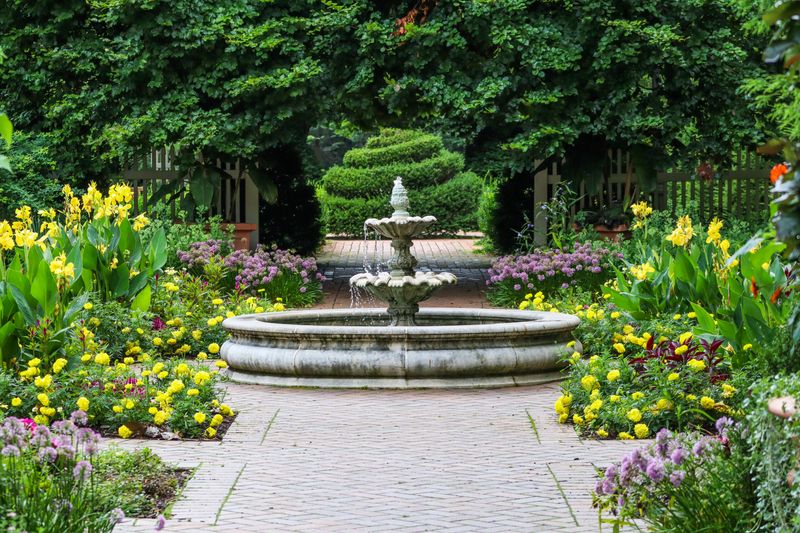
Plants get most of the attention, but the hard surfaces are what give a yard its bones. Patios, walkways, retaining walls, edging, and decks define how people move through the space and where they linger. Choosing these materials carefully is just as important as picking the right trees.
Stick with two or three complementary materials rather than mixing six different textures. If your home has warm brick, pulling that same tone into a patio or walkway ties the house to the yard. Cool gray pavers paired with a cedar fence can feel modern and clean. The goal is harmony between the structure of the house and the structure of the yard.
Pay attention to scale as well. A tiny flagstone path leading to a massive front door looks awkward, while an oversized patio can swallow a small backyard. Measure, sketch, and when in doubt, mark the proposed dimensions with a garden hose or spray paint and live with it for a few days before committing.
Budgeting and Phasing the Work
Few homeowners can afford to transform an entire property in one weekend, and honestly, you probably should not try. Phasing the work spreads the cost out and gives you time to see how each stage performs before moving on to the next. If something is not working, you will know before you have poured money into the whole yard.
A sensible phasing order usually looks something like this:
- Phase one: grading, drainage fixes, and major hardscape like patios and walkways
- Phase two: trees and large shrubs that need time to mature
- Phase three: garden beds, perennials, and smaller plantings
- Phase four: lighting, water features, and finishing touches
Build a realistic budget for each phase and add a cushion of roughly 15 to 20 percent for surprises. There are always surprises, from unexpected rocks underground to a plant delivery that doubles in price. Having that buffer keeps the project moving instead of grinding to a halt the first time something goes sideways.
Knowing When to Call a Pro
Plenty of this work is doable on your own. Drawing a plan, planting beds, laying mulch, even building a small paver patio are all weekend-warrior territory. But grading, drainage, retaining walls over a few feet tall, and electrical work for lighting usually belong in professional hands. Mistakes in those areas get expensive fast and can create safety issues.
Even if you plan to do most of the work yourself, a one-hour consultation with a designer can save you from costly missteps. They will spot problems you missed and suggest ideas you never considered. Think of it as cheap insurance for a project that will shape your property for decades.
Maintenance Is Part of the Plan
A yard is not a painting you hang on the wall and forget. It grows, changes, and demands attention. The best plans account for how much time and energy you honestly want to spend on upkeep. Someone who travels constantly should not install a formal rose garden that needs weekly pruning. A family with young kids might want tough turf and durable shrubs rather than delicate specimens.
Build maintenance thinking into every choice. Will this hedge need shearing twice a year? Does this tree drop messy fruit onto the patio? How often will the gravel path need refreshing? These are not reasons to avoid certain features, but they are questions worth answering before you commit.
Conclusion
Planning an outdoor space is one of those projects that rewards patience far more than speed. The homeowners who end up with yards that look pulled from a magazine are rarely the ones who rushed to the garden center the first warm Saturday of spring. They are the ones who watched their property through a full season, sketched more than once, and made choices based on how they actually live rather than what was trending online.
If you take only one thing from this guide, let it be the importance of starting with observation. The site analysis, the zoning, the honest conversation about how you want to use your yard- those steps determine whether the finished product feels effortless or exhausting. Everything else, from plant selection to hardscape to lighting, flows naturally once the foundation is right.
Your property has potential you may not have noticed yet. Spend the time to understand it, plan with intention, and build in phases you can afford. A few seasons from now, you will walk outside and realize you created something that genuinely fits both your home and your life, and that is a payoff no shortcut can match.