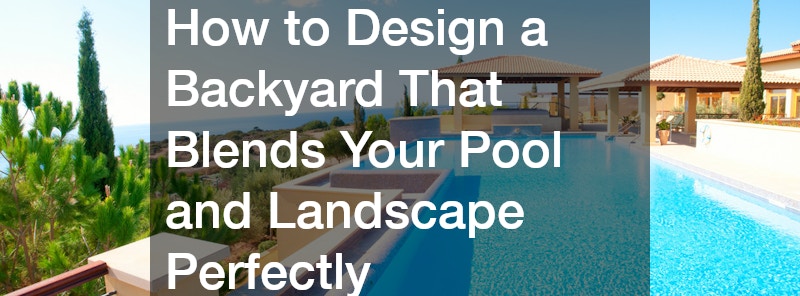
Designing a backyard that balances beauty, functionality, and comfort is a challenge many homeowners face. While pools and landscapes individually enhance your outdoor space, the real transformation happens when these elements work together seamlessly. A backyard that flows naturally between pool, patio, garden, and decorative features can feel like a private resort, offering a retreat from daily life.
Creating this cohesion requires strategic planning. Every choice — from materials to lighting, plantings, and pool placement — affects the final result. The goal is to design a backyard that is not only visually appealing but also comfortable, safe, and easy to maintain. This guide provides step-by-step insights, actionable advice, and expert tips to help homeowners integrate their pool and landscape into a unified, functional, and beautiful backyard.
A pool significantly enhances family fun by creating a versatile space for both active play and relaxation. Kids can enjoy swimming, water games, and learning to swim, while teens and adults can engage in friendly competitions or simply unwind on floats. It also encourages families to spend more time outdoors together, whether hosting poolside barbecues, enjoying evening swims under well-placed lighting, or relaxing near water features. Beyond entertainment, pools can serve as a central hub for bonding, fostering shared experiences that create lasting memories while keeping everyone active and engaged in a safe, inviting environment.
Assess Your Space and Natural Flow
Before selecting materials or features, take a comprehensive look at your backyard. Start by noting the size, shape, and topography of your yard. Are there slopes, natural depressions, or existing trees that must be considered? Understanding these elements helps in planning the placement of the pool, patio, pathways, and garden beds. A well-thought-out layout ensures smooth movement, avoids cramped spaces, and highlights the yard’s best features.
Consider how people will navigate your backyard. Traffic patterns influence where you place the pool, lounge areas, and pathways. For instance, you want direct access from the house to the pool, but you might also want separate paths leading to garden features or seating areas. Mapping these routes can prevent congestion and make the backyard more enjoyable.
Consulting professionals can provide additional insights. A hardscape installer can help determine the optimal placement of retaining walls, terraces, and other structural elements, while a trusted stone supply provider ensures materials match both the design and the natural surroundings. By combining thoughtful planning with professional advice, you can create a backyard layout that flows seamlessly and accommodates future additions or changes.
Choose Complementary Materials and Textures
Material selection is crucial for integrating your pool with the surrounding landscape. The goal is to select surfaces that harmonize with both the natural environment and man-made features. Hardscape materials, such as natural stone, decorative stamped concrete, or wood composites, can complement plantings and water features while providing durability and safety around wet areas.
It’s also important to consider texture. Smooth surfaces may feel elegant but could be slippery when wet, while rougher textures like natural stone or stamped concrete offer traction and a tactile appeal. When combined thoughtfully, contrasting textures can create visual interest and help define distinct areas, like separating a lounge space from a poolside walkway.
Hiring experienced patio installers ensures proper installation, longevity, and safety. Similarly, decorative stamped concrete offers endless possibilities to mimic natural materials while remaining cost-effective. This flexibility allows homeowners to match colors, patterns, and textures with other design elements, resulting in a cohesive, visually appealing backyard.
Plan Strategic Pool Placement
Where you position your pool is critical for both aesthetics and usability. Ideally, a pool should take advantage of sunlight for warmth, provide privacy from neighbors or street views, and create appealing sightlines from your home and garden. Think about the shape and style of the pool: do you want a geometric, symmetrical design, or a more organic, natural form that blends into existing landscaping?
It’s also essential to consider how the pool interacts with other backyard elements. For example, placing a pool near a patio or dining area creates a natural entertainment hub, while locating it near garden beds or water features enhances visual appeal. When working with custom pools, designers can help you select a layout that complements both your backyard’s terrain and your lifestyle. Experienced pool builders bring technical expertise, ensuring the pool’s placement, structural integrity, and functionality are flawless.
Strategic pool placement also affects maintenance. Avoid areas with excessive leaf debris, steep slopes, or poor drainage to reduce upkeep challenges. By carefully planning the pool location, you not only enhance the aesthetic appeal of your backyard but also ensure practicality and long-term usability.
Integrate Functional Outdoor Living Zones
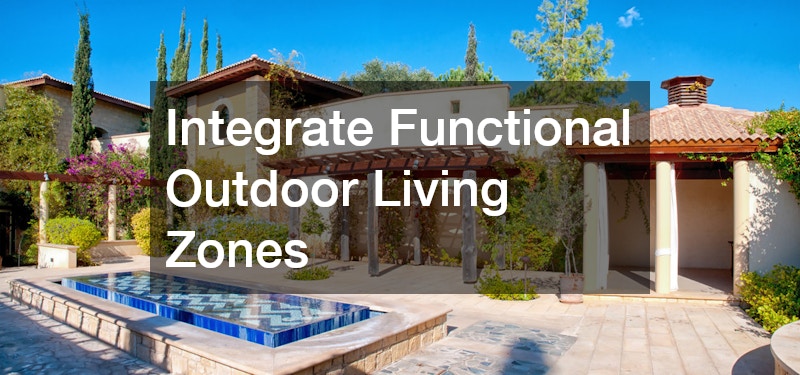
A backyard should serve more than one purpose. Designing distinct living zones — dining, lounging, cooking, or fire pits — creates versatility and encourages more frequent use. Outdoor kitchens, shaded dining areas, and seating nooks near the pool make your backyard more than just a place to swim; it becomes an extension of your home’s living space.
Safety and ambiance are key considerations. Installing a pool fence ensures children and pets remain safe without compromising the visual flow of your backyard. Layered lighting from a lighting service enhances usability while highlighting features, making spaces inviting even after the sun sets.
When designing outdoor living zones, consider:
- Seating arrangements that encourage conversation and relaxation.
- Placement of tables and grills for convenient access to shade or sun.
- Integrating soft landscaping, such as potted plants or trees, to define zones without creating barriers.
A well-designed layout allows each zone to complement the pool while maintaining privacy, comfort, and aesthetic balance. It also maximizes the functional value of your backyard, ensuring every area is both practical and visually harmonious.
Enhance with Water Features
Water features create a sensory experience that elevates your backyard beyond the ordinary. Beyond the pool itself, waterfalls, fountains, or streams add movement, sound, and visual appeal, creating a natural oasis feel. Properly placed water features draw the eye and can enhance both focal points and background elements in your landscape.
When selecting water features, consider size, scale, and placement:
- Small fountains work well near patios or seating areas, adding gentle sound without dominating the space.
- Cascading waterfalls can integrate with the pool, providing both visual appeal and soothing sounds.
- Bubbling rock features or streams enhance naturalistic landscapes, creating a sense of movement and tranquility.
A water feature should harmonize with the surrounding hardscape, plantings, and pool design. Proper integration ensures it enhances the space without feeling forced or overpowering, creating a seamless connection between the pool and garden. Careful placement also considers maintenance and water circulation, ensuring long-term functionality and beauty.
Select and Install Pool Finishes Thoughtfully
Choosing the right pool finishes ensures visual cohesion between the pool and surrounding backyard elements. Color, texture, and material all play a role in creating a seamless look. Soft tones, like light blues or sandy neutrals, can mirror natural elements such as sky or stone, while mosaic tiles add a decorative touch and integrate well with surrounding patios or plantings.
Experienced pool liners installers ensure finishes are applied accurately, preventing bubbles, wrinkles, or fading, which could disrupt the backyard’s overall aesthetic. Pairing proper finishes with custom pool design allows homeowners to achieve a pool that feels naturally integrated, rather than artificially imposed onto the space.
Additional considerations when selecting finishes include durability, ease of maintenance, and slip resistance. A well-chosen finish complements your hardscape, water features, and landscaping while providing a safe, inviting swimming environment.
Design Lighting for Safety and Atmosphere

Lighting is a crucial element in creating a cohesive backyard experience, extending usability beyond daylight hours. Layered lighting provides safety, highlights features, and creates a mood. Pathways, pool edges, patios, and landscape elements can all benefit from carefully designed illumination.
Types of lighting to consider include:
- Pathway lights to guide guests safely around the pool and garden.
- Accent lighting to highlight trees, shrubs, or decorative hardscape.
- Pool lights for ambiance, safety, and aesthetic effect.
- Task lighting near outdoor kitchens or dining areas.
Working with a lighting service ensures fixtures are correctly installed, balanced, and energy-efficient. Collaboration with patio installers can integrate lighting seamlessly into the design, highlighting functional areas without creating glare or clutter. Properly executed lighting not only improves safety but also enhances the beauty and cohesion of your backyard.
Incorporate Multi-Level Hardscape Elements
Multi-level hardscape features like retaining walls, terraces, and raised planters add depth, dimension, and functionality. They are particularly beneficial for uneven yards, creating flat, usable areas for seating, dining, or gardening. These elements also provide visual interest, breaking up monotony and giving the backyard a more professional and polished look.
A hardscape installer ensures structural integrity, proper drainage, and alignment with other features, while sourcing materials from a trusted stone supply helps maintain consistency and quality. Consider incorporating:
- Retaining walls that double as seating or decorative focal points.
- Raised planters to elevate plants and create layered greenery.
- Terraces that connect patios, walkways, and pool edges for cohesive flow.
Multi-level designs can also subtly define zones, helping to blend pool areas, patios, and garden beds into a seamless, integrated backyard. They enhance both aesthetics and functionality, making the outdoor space more enjoyable and easier to maintain.
Blend Plantings with Functional Elements
Strategic planting is essential for a backyard that feels natural and unified. Trees, shrubs, and groundcovers soften the edges of hardscape and pool areas while providing privacy, shade, and seasonal interest. Choose plant species suited to your climate, soil, and maintenance preferences to ensure longevity and minimal upkeep.
Plantings can also integrate with functional elements. For example, tall shrubs or ornamental grasses can complement a pool fence, providing privacy without compromising safety. Similarly, surrounding a water feature with carefully selected plants can draw attention to its movement and sound, enhancing visual appeal.
Tips for blending plants with hardscape and pool areas include:
- Layering plant heights to create depth and visual interest.
- Selecting complementary colors and textures to match hardscape materials.
- Incorporating drought-tolerant or native plants to reduce maintenance and water use.
Thoughtful integration of plantings ensures the backyard feels immersive, connected, and harmonious, turning the pool and surrounding areas into a cohesive outdoor sanctuary.
Maintain a Cohesive Style Throughout
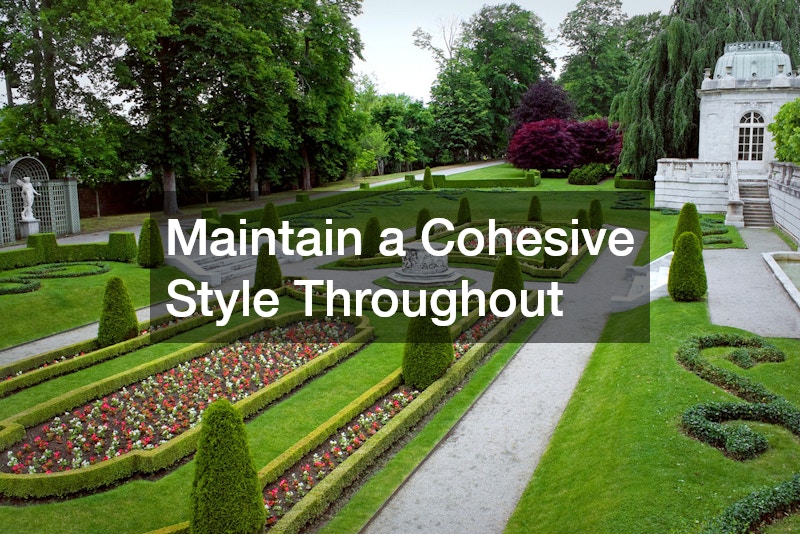
Consistency is key to a backyard that feels intentionally designed. Color palettes, materials, textures, and decorative motifs should be consistent across pool, patio, and garden areas. For instance, coordinating decorative stamped concrete with surrounding patios, pathways, and hardscape elements creates a unified visual language.
Collaboration with pool builders ensures that structural elements align with your aesthetic vision, while attention to smaller accents — furniture, lighting, planters, and outdoor art — reinforces cohesion. Consider layering design elements:
- Repeat colors in furniture, cushions, and decorative accents.
- Use complementary textures in hardscape, pool finishes, and plantings.
- Integrate thematic details across zones to unify the backyard’s style.
A cohesive design approach ensures your backyard is more than the sum of its parts. Every pool, patio, water feature, and planting feels intentional, creating an inviting, functional, and visually appealing outdoor retreat.
Creating a backyard that perfectly blends your pool and landscape requires thoughtful planning, attention to detail, and strategic use of materials, features, and plantings. By assessing space, selecting complementary materials, planning pool placement, integrating living zones, adding water features, and incorporating lighting and multi-level hardscapes, homeowners can transform their outdoor space into a cohesive, functional, and beautiful retreat.
Creating a backyard that perfectly blends your pool and landscape requires thoughtful planning, attention to detail, and strategic use of materials, features, and plantings. By assessing space, selecting complementary materials, planning pool placement, integrating living zones, adding water features, and incorporating lighting and multi-level hardscapes, homeowners can transform their outdoor space into a cohesive, functional, and beautiful retreat.
Professional guidance — from pool builders and installers to lighting experts and stone suppliers — ensures each element contributes to a harmonious design. With careful planning, your backyard can become a sanctuary that combines aesthetics, comfort, and usability, inviting relaxation, entertainment, and long-term enjoyment for your family and guests.
To bring your vision to life, start by sketching a layout of your backyard, noting existing features and potential areas for improvement. Research materials, finishes, and plant species that suit your climate and style preferences. Consulting professionals for areas like pool construction, hardscape installation, and water features can save time and prevent costly mistakes. By taking these steps, you create a backyard that is not only beautiful and functional but also tailored specifically to your lifestyle, ensuring every visit feels like a retreat.